We are looking for reliable and experienced professionals nationwideRead more →

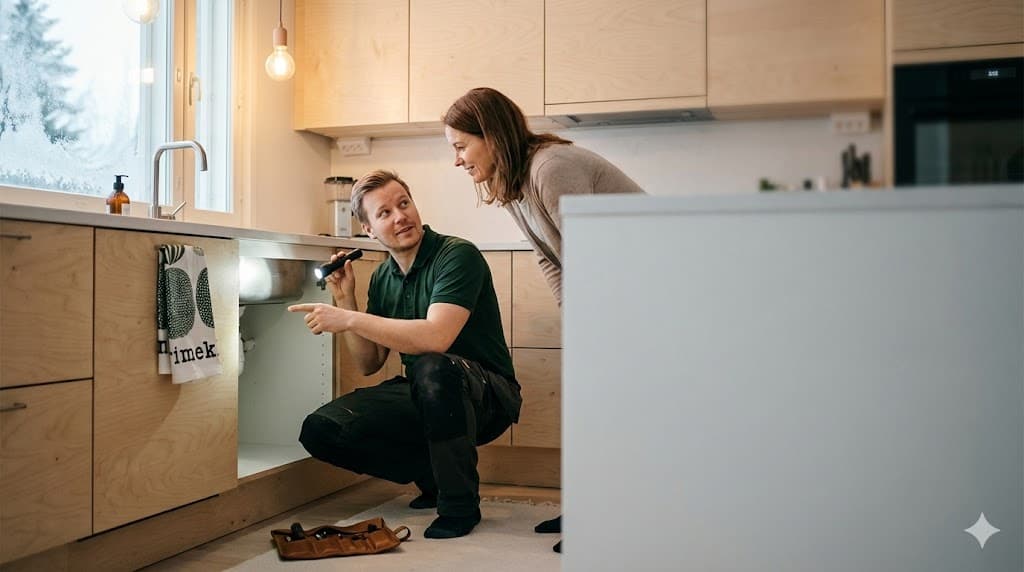
Radiator network balancing ensures even heat distribution in every room. Professional balancing improves living comfort and saves energy.
Price from
200 €
Response time
24 h
Household tax deduction
Yes
Quote
Free
Radiator network balancing, also known as hydronic balancing, is a procedure in which the water flow through each radiator is adjusted to match the actual heating demand of each room. The goal is to distribute heat evenly throughout the entire building so that some rooms are not too hot while others are too cold. Balancing is performed using lockshield valves and is based on room-by-room temperature measurements and flow calculations.
Properly executed balancing can reduce heating costs by 10-15 percent, because excess heat energy no longer escapes through ventilation of overheated rooms. At the same time, living comfort improves significantly throughout the entire building.
Over time, the heating needs of a building change: windows and doors are replaced, additional insulation is added, and occupants' habits change. The original balancing may no longer match the actual conditions. Typical signs that balancing is needed include uneven temperature distribution, noise from radiators, and the repeated need to ventilate overheated rooms.
In housing associations, balancing is one of the most cost-effective energy saving measures. According to energy authority recommendations, radiator network balancing should be reviewed at least every 10-15 years, or whenever significant changes are made to the building envelope.
Balancing begins with an initial assessment, during which the temperature of each room is measured and the size of each radiator and valve type is recorded. This is followed by a calculated sizing that takes into account the room-specific heating demand based on wall structures, window area, and ventilation.
The actual balancing work involves adjusting the lockshield valve positions, checking thermostatic radiator valves, and bleeding the network. After completion, follow-up measurements are taken to confirm that target temperatures are achieved in all rooms. We document the results in a clear report.
A properly balanced radiator network provides a consistent and comfortable indoor temperature in every room. Energy consumption typically decreases by 10-15 percent, which directly translates into lower heating bills. Additionally, radiator noise is reduced as water circulates through the network as designed, without unnecessary pressure losses.
For residents, the most important benefit is improved living comfort: cold corners and overheated rooms are eliminated. In housing associations, balancing also increases the property value and demonstrates that the building has been maintained systematically. The investment typically pays for itself within just a few years.
The price of radiator network balancing depends on the size of the building, the number of radiators, and the valve types. In a small detached house, balancing starts from 200 euros, and for larger properties the price is calculated on a per-room basis. In housing associations, the cost is shared among the shareholders, so the per-unit share typically remains reasonable.
The price always includes an initial assessment, calculated sizing, valve adjustments, and a final inspection. Request a free quote — we will evaluate your property and provide an exact price before work begins.
| Situation | DIY | Professional |
|---|---|---|
| Thermostat adjustment | Self-adjustment — guesswork | Calculated sizing + measurements |
| Uneven room temperatures | Ventilation — wastes energy | Balancing — 10-15% energy savings |
| Radiator noise | Bleeding may help temporarily | Root cause analysis + lasting repair |
Thermostat adjustment
Uneven room temperatures
Radiator noise
We measure room temperatures and survey the network.
We calculate room-specific flow rates.
We adjust the valves and bleed the network.
We verify temperatures and prepare a report.
| Service | Price | Details |
|---|---|---|
| Radiator network balancing (detached house) | 350 € | from |
| Radiator valve replacement | 200 € | from |
| Housing association balancing | 1 500 € | from |
Radiator network balancing (detached house)
350 €
from
Radiator valve replacement
200 €
from
Housing association balancing
1 500 €
from
Prices include VAT 25.5%. Final price depends on the property.
Talon Toveri's trained professionals help with all home maintenance tasks. Request a free, no-obligation quote.
★★★★★ 4.8/5 — 2,500+ satisfied customers


Talon Toveri — Editorial Team
Property maintenance experts
Talon Toveri's editorial team consists of experienced property maintenance professionals with over 50 years of combined experience in home maintenance and repairs. We review every article's technical content based on industry best practices.
Content Verified The content of this page has been written and reviewed by Talon Toveri's professional property maintenance team.
Hydronic heating maintenance, radiator bleeding, and circulator pump inspection. Ensure your heating system operates efficiently.
Read more →Boiler maintenance, cleaning, and burner adjustment. Regular maintenance improves efficiency and extends the boiler lifespan.
Read more →Professional underfloor heating installation. Hydronic or electric underfloor heating guarantees even warmth and energy efficiency.
Read more →
Tell us your needs — we respond within 24 hours
★★★★★ 4.8/5 — 2,500+ satisfied customers