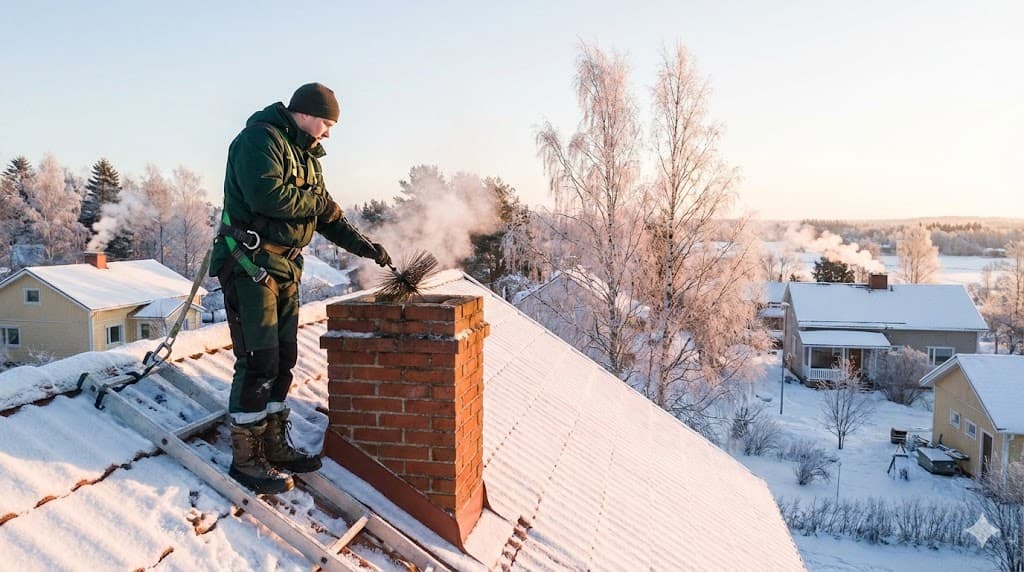
Home Inspection — What Is Examined in an Inspection
A home inspection is an important part of property maintenance and real estate transaction security. This guide explains what is examined and how to interpret the results.
Illustration
- A home inspection determines the building's condition, repair needs, and risks
- In real estate transactions, the inspection protects both buyer and seller
- The inspection covers structures, HVAC systems, the roof, and foundations
- A preventive inspection every 5–10 years saves on repair costs
- The inspection report is a valuable document for the maintenance log
Article Summary
| Topic | home inspection |
| Reading time | 18 minutes |
| Updated | 2/16/2026 |
| Author | Talon Toveri — Editorial Team |
| Suitable for | Homeowners, housing associations |
What is a home inspection?
A home inspection is a building condition assessment performed by a professional, which surveys the building's current condition, repair needs, and potential risks. The inspection is primarily conducted visually, but measuring instruments such as surface moisture meters, thermal cameras, and indoor air monitors are used as needed.
A home inspection covers all key parts of the building: foundations, structural frame, roof, facades, windows, doors, HVAC systems, and interior spaces. The scope and methods of the inspection are agreed upon with the client in advance. In Finland, the inspection is typically conducted according to the KH 90-00394 guideline card, which is the generally accepted standard for home sale inspections.
It's important to understand that a home inspection differs from a condition assessment and a condition survey. A home inspection is narrower in scope and focuses on identifying visible defects and risk areas. A condition assessment is a broader study that also evaluates long-term repair needs and costs. A condition survey, on the other hand, is a targeted investigation of a specific structure or problem, such as a suspected moisture damage.
Illustration
When is a home inspection needed?
A home inspection is especially important in connection with real estate transactions. It protects the buyer from hidden defects and the seller from post-sale claims. The Housing Transactions Act imposes obligations on both parties, and the inspection helps fulfill them. The buyer has a duty of inspection and the seller has a duty of disclosure — the home inspection satisfies both.
A preventive home inspection every 5–10 years is also recommended even without plans to sell. It reveals developing problems early and helps plan repairs long-term. This is often more affordable than waiting until the damage has progressed significantly.
A home inspection is especially recommended in the following situations:
- In connection with a real estate transaction — for the protection of both buyer and seller
- In houses over 20 years old — critical structures and systems start needing attention
- When moisture damage is suspected — musty smells, surface damage, or indoor air symptoms
- Before a major renovation — an overall picture of the house's condition helps prioritize repairs
- In inheritance or gift transactions — the actual condition of the property is determined for valuation purposes
- After an insurance claim — determining the extent of the damage
Contents of a home inspection
A home inspection typically covers the following areas:
- Foundations: Drainage system function, frost protection, ground slopes, foundation wall condition, cracks. The inspector examines the water level in inspection wells and assesses drain functionality.
- Structural frame: Wall straightness, floor slab condition, attic insulation and ventilation. Settlement or displacement in load-bearing structures are serious findings.
- Roof: Roofing material condition, flashing tightness, eaves, penetrations, and attic ventilation. The roof's age and remaining service life are assessed.
- Facades: Exterior cladding condition, paint integrity, window and door tightness, and the junction between foundation wall and facade.
- HVAC: Water and sewer system condition and age, electrical installation safety, ventilation function, and heating system status. Pipe materials and ages are documented.
- Wet rooms: Bathroom waterproofing, floor slopes toward drain, wall and floor material condition, and joint tightness. Wet rooms are one of the most risk-prone areas.
- Interior spaces: Surface condition, moisture signs, odors, air quality, and general usability of spaces.
The inspector typically uses a surface moisture meter to map moisture in risk areas such as wet rooms, kitchens, and walls adjacent to bathrooms. Thermal camera imaging is an additional service that reveals insulation deficiencies and air leaks.
Illustration
Interpreting the inspection report
The inspection report contains a description of the inspection results, identified deficiencies and risks, and recommendations for further action. The report is usually prioritized by urgency. The report is typically 15–40 pages long and includes numerous photographs of findings.
Findings are usually classified into three categories:
- Critical findings (repair immediately): Moisture damage, structural problems, fire safety risks, electrical safety deficiencies. These require immediate action and can significantly affect the purchase price.
- Significant findings (repair within the coming years): Wearing component replacement, developing damage, aging systems. A repair schedule and cost estimate are prepared for these.
- Notes (monitor): Minor deficiencies, cosmetic damage, tasks per maintenance instructions. These do not require immediate action.
Typical findings in home inspections:
- Ground slopes in the wrong direction (toward the building) — common especially in older homes
- Inadequate wet room waterproofing — in bathrooms built before the 2000s, waterproofing is often deficient or entirely missing
- Aged roofing material — felt roof lifespan is 15–25 years, metal roof 30–50 years
- Inadequate attic ventilation — leads to moisture accumulation in structures
- Outdated electrical system — aluminum wiring and old fuse panels are a safety risk
- Aging sewer piping — cast iron sewer service life is 40–60 years
Need professional help?
Talon Toveri's trained professionals help with all home maintenance tasks. Request a free, no-obligation quote.
★★★★★ 4.8/5 — 2,500+ satisfied customers
Home inspection in real estate transactions
In connection with a real estate transaction, a home inspection is practically essential. It gives both parties a clear picture of the building's condition and reduces the risk of disputes after the sale. In housing transaction disputes, the inspection report is a key document used to assess the parties' awareness of potential problems.
Seller's perspective: The home inspection fulfills the seller's duty of disclosure. The seller cannot be held liable for defects that were identified in the inspection and of which the buyer was aware. Having the inspection done before publishing the sale listing is recommended — it speeds up the sales process and increases buyer confidence.
Buyer's perspective: The home inspection protects the buyer from hidden defects and provides a realistic picture of future repair needs and their costs. The buyer can use the inspection results to negotiate the purchase price. Serious findings can be grounds for a price reduction or withdrawal from the sale.
Inspection costs are often split between the buyer and seller, but this can be freely agreed upon. The investment (400–800 euros) is marginal compared to the total value of a property transaction and the potential repair costs of hidden defects, which can reach tens of thousands of euros.
Note: A home inspection does not eliminate the seller's liability for hidden defects, but it significantly limits liability issues. The buyer's duty of inspection covers matters raised in the home inspection and the risks arising from them.
Choosing a home inspector
A home inspector's expertise and experience are critically important for obtaining a reliable inspection. In Finland, home inspector qualifications are ensured through various certification systems.
Key qualifications:
- AKK qualification (Housing Transaction Home Inspector): A certification granted by FISE Ltd., which is the most important certification for housing transaction home inspections in Finland. The AKK qualification requires a suitable degree, work experience, and a passed proficiency test.
- KH card (Property Maintenance Qualification): Demonstrates expertise in technical property maintenance and upkeep.
- PKA qualification (Qualified Moisture Measurer): Special expertise in moisture measurements, which is valuable in connection with home inspections.
How to choose a good home inspector:
- Check qualifications from the FISE qualification register (fise.fi)
- Ask for references and previous reports
- Verify that liability insurance is in force — reliable inspectors have professional liability insurance
- Find out the methods and measuring equipment to be used
- Verify the inspector's independence — the inspector must not be connected to the real estate agent or a repair contractor
- Request a quote that includes a clear description of the inspection scope
A good home inspector takes time to familiarize themselves with the property before inspection day. They request building drawings, previous inspection reports, and the maintenance log. On inspection day, they systematically go through the building and explain their findings in understandable terms, even for a layperson.
Costs: A detached home inspection typically costs 400–800 euros, but the price can increase for larger or more complex properties. Additional investigations such as thermal camera imaging or moisture mapping are charged separately (150–500 euros per investigation).
Preventive home inspection
In a preventive home inspection, the building's condition is surveyed without plans to sell. The goal is to find developing problems early and create a long-term maintenance and repair plan. A proactive inspection is almost always more economical than reactive repair — a developing issue is nearly always cheaper to fix than an advanced one.
We especially recommend a preventive inspection in the following situations:
- Houses over 20 years old: Critical systems such as sewers, the roof, heating system, and wet room waterproofing typically start needing attention at this age.
- Houses over 40 years old: A broader renovation cycle is usually ahead. Sewer piping, the electrical system, and structures may need major renovation.
- After purchasing a home: If a home inspection wasn't done at the time of sale, having one done shortly after purchase provides a baseline against which later observations can be compared.
The results of a preventive inspection should be included in the property's maintenance log. They form a valuable knowledge base on which future inspections and maintenance plans are built. Regular inspections every 5–10 years create continuity, showing the development of the building's condition over time.
Frequently Asked Questions
How much does a home inspection cost?
How long does a home inspection take?
Who pays for the home inspection in a real estate transaction?
Does the home inspection find all defects?
Can I order a home inspection myself?
About the author

Carlos Martinez
Property maintenance specialist
Talon Toveri's editorial team consists of experienced property maintenance professionals with over 50 years of combined experience in home maintenance and repairs. We review every article's technical content based on industry best practices.
Content verified: The content of this page has been written and reviewed by Talon Toveri's professional property maintenance team. The information is based on industry best practices and years of field experience. Last updated February 16, 2026.
Read Also
Home Maintenance Checklist
A home maintenance checklist helps you remember important maintenance tasks at the right time. Regular maintenance saves money and keeps your home value high.
DIY Drain Cleaning
A drain clog is a common problem that can often be solved with DIY methods. In this guide, we cover the most effective methods and when it's time to call a professional.
Indoor Air Quality Issues
Indoor air quality issues are common in Finnish homes. This guide helps you identify symptoms, determine causes, and find solutions for better indoor air.
Related Services
Sewer camera inspection reveals the condition of the piping without demolition work. Professional camera inspection for sewers — blockages, damage, and sagging identified. Request a quote!
Roof maintenance and inspectionProfessional roof maintenance and roof inspection. Prevent leaks and damage with regular roof maintenance. Book a roof inspection today!
Ventilation Duct CleaningProfessional ventilation duct cleaning. Air duct cleaning improves indoor air quality and reduces energy consumption. Request a quote!
Indoor Air MeasurementProfessional indoor air measurement. We measure humidity, carbon dioxide, radon, and microbial concentrations in your indoor air. Find out the condition of your indoor air.