
Glossary
Key home maintenance terms explained in plain language. Search for a term or browse alphabetically.
A
- Air Handling Unit
An air handling unit (AHU) is the central device that manages a building's mechanical ventilation system. A typical residential AHU contains supply and exhaust fans, air filters, and a heat recovery cell, all housed in an insulated cabinet. The unit draws in fresh outdoor air, filters it, recovers heat from the outgoing exhaust air, and distributes conditioned air through the duct system to living spaces.
The air handling unit is the heart of the home's ventilation system and directly affects indoor air quality, energy efficiency, and occupant comfort. A well-maintained AHU ensures adequate fresh air supply, removes pollutants and excess moisture, and recovers up to 90 percent of the heat from exhaust air. Modern units also include automatic controls that adjust ventilation rates based on humidity, CO2 levels, or time schedules.
Regular maintenance of the AHU is essential: filters should be replaced one to two times per year, the heat recovery cell cleaned twice a year, fans inspected for dust buildup and bearing wear, and condensate drains checked for blockages. Most homeowners can perform basic filter changes themselves, while the more thorough annual service is best handled by a ventilation professional.
Signs that your AHU needs attention include increased noise from the fans, reduced airflow from vents, musty or stale odors, elevated indoor humidity, or a noticeable increase in heating costs. The typical service life of a residential AHU is 15 to 25 years, after which replacement with a modern, more efficient unit is usually recommended.
- Air Tightness
Air tightness refers to a building envelope's resistance to uncontrolled air leakage. It is measured by a blower door test, which pressurizes or depressurizes the building and measures the airflow needed to maintain a specific pressure difference (typically 50 pascals). The result is expressed as an air change rate (n50) or as air permeability (q50). A lower number indicates a tighter building.
Good air tightness is essential for energy efficiency, indoor comfort, and moisture management. In a leaky building, warm indoor air escapes through cracks and gaps in the envelope, carrying moisture with it. When this moist air reaches cold surfaces within the wall or roof structure, it condenses and can cause hidden moisture damage and mold growth. Air leaks also create uncomfortable drafts and increase heating costs.
Modern Finnish building codes require an air tightness of n50 less than or equal to 4.0 air changes per hour, but well-built passive houses achieve values below 0.6. Key areas where air leakage occurs include the joint between the foundation and wall, window and door frames, electrical outlets on exterior walls, penetrations for pipes and cables, and the junction between the wall and roof structure.
Improving air tightness in an existing building requires identifying and sealing leakage paths. A blower door test combined with thermographic imaging can pinpoint the exact locations where air is leaking. Common sealing methods include caulking, gaskets, spray foam, and vapor barrier tape. However, it is critically important that ventilation is adequate after tightening the envelope — a tight building requires a well-functioning mechanical ventilation system to maintain good indoor air quality.
- Appliance Liability
Appliance liability refers to the legal and financial responsibilities associated with the installation, use, and maintenance of home appliances. In Finland, liability for damages is divided between the installer (who must follow manufacturer instructions and applicable regulations), the property owner (who is responsible for proper use and maintenance), and the manufacturer (who is responsible for product safety and defects).
Professional installation is strongly recommended for appliances that connect to the building's electrical, plumbing, or gas systems. When a licensed professional installs an appliance, the work is documented and covered by the installer's liability insurance. If the appliance later causes damage due to a connection failure, the installer's insurance covers the claim. In contrast, a DIY installation that does not comply with regulations can void both the appliance warranty and the homeowner's insurance coverage.
Finnish law requires that all fixed electrical installations be performed by a licensed electrician. Plumbing connections that involve modifications to the building's piping system (such as adding a new drain point or water supply line) should also be performed by a qualified plumber. Simple hose connections (like attaching a washing machine to an existing tap) can be done by the homeowner, but the homeowner assumes liability for the connection.
To protect yourself, always retain installation documentation, follow the manufacturer's maintenance schedule, use original or approved replacement parts, and keep appliance purchase receipts. If an appliance causes damage, documentation of professional installation and regular maintenance is essential for insurance claims. Report any malfunction or unusual behavior immediately and discontinue use until the issue is resolved.
- Asbestos Survey
An asbestos survey is a systematic investigation to identify and assess asbestos-containing materials (ACMs) in a building. In Finland, asbestos was widely used in construction from the 1920s through 1992, when its use was banned. Common locations include pipe insulation, floor tiles, adhesives, roofing felt, facade panels (asbestos cement), plaster compounds, and fire protection materials. A building constructed or renovated before 1994 may contain asbestos.
Finnish law requires an asbestos survey before any renovation or demolition work on buildings constructed before 1994. The survey must be conducted by a qualified asbestos professional who collects material samples for laboratory analysis. The purpose is to identify all ACMs that may be disturbed during the planned work, assess their condition, and determine the necessary precautions for safe handling or removal.
Intact, undisturbed asbestos materials generally pose no immediate health risk — the danger arises when the materials are broken, cut, drilled, sanded, or otherwise disturbed, releasing microscopic asbestos fibers into the air. Inhaled asbestos fibers can cause serious diseases including asbestosis (lung scarring), lung cancer, and mesothelioma. These diseases have a long latency period, typically 15 to 40 years, making prevention critically important.
If asbestos is identified, there are several management options depending on the material's condition and the planned work: encapsulation (sealing intact ACMs in place), enclosure (building over intact ACMs), or removal (by a licensed asbestos removal contractor using strict containment and personal protective equipment). All asbestos removal work in Finland must be performed by a licensed contractor and notified to the occupational safety authority. Never attempt to remove or disturb suspected asbestos materials yourself.
- Attic Structure
The attic structure (yläpohja) is the upper horizontal assembly of a building that separates the heated interior from the cold attic space (or directly from the outdoors in cathedral-ceiling designs). This assembly typically consists of the interior ceiling finish, a vapor barrier, insulation (300 to 500 millimeters in modern construction), and the roof structure above. The attic structure is one of the most critical assemblies for energy efficiency and moisture management.
Heat rises, and the attic structure is where the greatest heat loss occurs in most buildings. Inadequate attic insulation dramatically increases heating costs and can cause ice dam formation on the roof (warm air melts snow on the roof, which refreezes at the cold eaves). The Finnish building code requires an insulation U-value of 0.09 W/m2K or better for new construction, which translates to approximately 400 to 500 millimeters of mineral wool insulation.
Moisture management in the attic is equally important. The vapor barrier on the warm side prevents indoor moisture from entering the insulation, while the attic space above the insulation must be ventilated with outdoor air to carry away any moisture that does penetrate. Blocked attic ventilation causes moisture accumulation, frost formation on the underside of the roof sheathing, and eventually rot and mold damage to the roof structure.
Attic structures should be inspected annually, ideally in spring after the heating season. Check for signs of moisture (frost damage, staining, mold on wood surfaces), adequate insulation coverage (watch for gaps, compression, or displacement), intact vapor barrier (especially around penetrations for lights, pipes, and cables), and functional ventilation (clear soffit vents and ridge vents). Any problems found should be addressed before the next winter season.
B
- Backwater Valve
A backwater valve (also called a backflow preventer) is a device installed in the sewer line that allows wastewater to flow normally out of the building but automatically closes if the municipal sewer system becomes overwhelmed, preventing sewage from backing up into the home. The valve is typically installed in the main sewer line where it exits the building.
Sewer backflow is one of the most damaging and unpleasant plumbing emergencies a homeowner can face. When the public sewer network is overloaded during heavy rainfall or a main line blockage, sewage can flow backward through the pipes and flood basements, laundry rooms, and ground-floor bathrooms. The cleanup and repair costs can run into tens of thousands of euros.
A backwater valve is especially critical for homes with basement-level plumbing fixtures such as floor drains, toilets, or laundry hookups that are below the street sewer level. Many municipalities now require backwater valves in new construction, and retrofitting one into an existing home is a worthwhile investment for flood protection.
The valve should be inspected and cleaned at least once a year to ensure the flap mechanism operates freely. Debris, grease, or sediment can prevent the valve from closing properly. If you experience sewer backup despite having a backwater valve, call a plumber immediately to check its function and the overall condition of your sewer line.
- Bitumen Roofing Membrane
A bitumen roofing membrane is a waterproofing material consisting of modified bitumen applied to a reinforcing fabric base, used primarily on low-slope and flat roofs. The membrane is installed by heat-welding overlapping sheets together using a propane torch, creating a continuous, seamless waterproof surface. Two-layer systems (a base layer and a cap sheet) provide the best protection and longevity.
Bitumen membrane roofing is the standard solution for flat and low-slope roofs in Finland, where conventional tile or metal roofing cannot shed water quickly enough. The membrane's flexibility allows it to accommodate thermal movement and minor structural shifts without cracking. Modern modified bitumen membranes (SBS or APP modified) offer significantly better durability and flexibility than traditional tar-and-felt systems.
The typical service life of a quality bitumen membrane roof is 20 to 30 years, depending on the membrane grade, number of layers, and UV exposure. Over time, the surface granules wear off, the bitumen oxidizes and becomes brittle, and seams may lift or crack. Ponding water accelerates deterioration, so proper roof drainage is essential.
Annual inspection should check for blisters, cracks, lifted seams, and areas of ponding water. Small damage can be patched with compatible membrane material, but widespread deterioration typically means the roof needs to be re-covered. Professional inspection every 5 years is recommended, and any roofing work involving open-flame torches should only be performed by certified roofing contractors with fire safety equipment.
C
- Chimney Flue
A chimney flue is a vertical channel within a chimney structure that carries combustion gases and smoke from a fireplace, stove, or boiler safely out of the building. The flue creates a natural draft — warm gases rise and draw combustion air into the firebox — which is essential for efficient burning and safe operation. Flues are constructed from brick, ceramic liners, or stainless steel, depending on the building and fuel type.
The flue is one of the most critical fire safety components in any home with a fireplace or wood stove. A properly functioning flue ensures that toxic combustion products — including carbon monoxide — are safely expelled from the building. When the flue is blocked, cracked, or deteriorated, these gases can leak into living spaces, creating a life-threatening hazard. The draft characteristics also affect combustion efficiency: a poor draft leads to incomplete combustion, more smoke, and faster creosote buildup.
Creosote and soot deposits accumulate on the interior walls of the flue during normal use. These deposits are combustible, and if they build up sufficiently, they can ignite and cause a chimney fire — an extremely dangerous event that can spread to the building structure. This is why chimney sweeping is required by law in Finland: regular cleaning removes deposits before they reach dangerous levels.
The flue should be inspected for cracks, deterioration, and creosote buildup as part of every chimney sweeping visit. If the chimney sweep reports concerns about the flue's condition, a more thorough chimney inspection may be needed. Common flue problems include cracked mortar joints, deteriorated liner sections, and damaged flue caps that allow rain and animals to enter.
- Chimney Inspection
A chimney inspection is a thorough condition assessment of the flue, fireplace, and chimney structure performed by a qualified chimney sweep or fire safety inspector. An inspection is required before commissioning a new fireplace, putting a disused fireplace back into service, after a chimney fire, when changing fuel types, or whenever structural damage to the chimney is suspected.
The inspection evaluates the structural integrity of the flue liner, the condition of mortar joints, the airtightness of the chimney structure, and compliance with fire safety clearances. The inspector may use visual examination, smoke tests (introducing smoke into the flue and checking for leaks), and in some cases, camera inspection to view the interior of the flue from top to bottom.
An approved chimney inspection is documented with a written report that details the findings, the condition rating of the flue, and any required repairs or improvements. This documentation is legally important — it serves as proof that the fireplace has been verified safe for use. Without a valid inspection, the property owner may be liable for any damage or injuries caused by the fireplace, and insurance coverage may be denied.
If the inspection reveals defects such as cracked liner sections, deteriorated mortar, inadequate clearances, or structural damage, the fireplace must not be used until repairs are completed and the chimney is re-inspected. Common repair methods include repointing mortar joints, installing a new stainless steel liner inside the existing chimney, and adjusting clearances to combustible materials. All repairs must comply with fire safety regulations.
- Chimney Sweeping
Chimney sweeping is the professional cleaning of soot, creosote, and ash deposits from a fireplace, flue, and chimney structure. In Finland, chimney sweeping is a legal requirement for all fireplaces in active use, with sweeping intervals specified by the rescue services based on fireplace type and frequency of use. The sweep is performed by a certified chimney sweep who also inspects the condition of the fireplace and flue.
The primary purpose of chimney sweeping is fire prevention. Creosote — a tar-like substance that forms when wood is burned, especially at low temperatures — accumulates on the inner walls of the flue. If this buildup ignites, it causes a chimney fire that can reach temperatures of 1,100 degrees Celsius, potentially cracking the flue, igniting adjacent combustible structures, and causing a house fire. Regular sweeping removes these deposits before they reach dangerous levels.
During the sweeping process, the chimney sweep uses specialized brushes, rods, and vacuum equipment to remove deposits from the firebox, smoke shelf, flue liner, and chimney cap. The sweep also checks for structural issues such as cracks in the flue liner, deteriorated mortar joints, blocked cleanout doors, and damaged chimney caps. Any defects are documented in a written report provided to the property owner.
Beyond the legal requirement and fire safety benefits, regular chimney sweeping improves fireplace performance. A clean flue draws better, producing a more efficient fire with less smoke and more heat output. If your fireplace has become difficult to light, smokes into the room, or produces an unusual smell, overdue chimney sweeping may be the cause. Always use a certified chimney sweep to ensure the work meets legal requirements.
- COP Rating
The COP rating (Coefficient of Performance) is a measure of a heat pump's energy efficiency, expressed as the ratio of heat output to electrical input. For example, a heat pump with a COP of 3.5 produces 3.5 kilowatt-hours of heat for every 1 kilowatt-hour of electricity consumed. The higher the COP, the more efficient the heat pump and the lower its operating costs.
COP is not a fixed value — it varies with operating conditions, particularly the temperature difference between the heat source and the heat output. An air-source heat pump has a higher COP in mild weather and a lower COP during extreme cold, because extracting heat from very cold air requires more energy. At minus 20 degrees Celsius, a typical air-source heat pump may have a COP of only 1.5 to 2.0.
To account for this variation, the industry uses SCOP (Seasonal COP), which represents the average COP over an entire heating season weighted by the local climate. SCOP provides a more realistic picture of real-world efficiency than a single COP measurement at ideal conditions. When comparing heat pumps, always compare SCOP values for your climate zone.
A declining COP — manifested as higher electricity bills for the same heating demand — can indicate maintenance issues such as dirty filters, low refrigerant charge, a frosted outdoor coil, or fan problems. Regular professional maintenance helps maintain the heat pump's rated COP throughout its service life and ensures optimal energy efficiency.
D
- Deck Oil
Deck oil is a penetrating wood finish specifically formulated for exterior wood surfaces such as decks, terraces, outdoor furniture, and fences. Unlike surface-forming finishes (paints and varnishes) that sit on top of the wood, oil penetrates into the wood fibers, providing protection from within. This makes it ideal for horizontal surfaces subject to foot traffic and pooling water, as there is no film to crack, peel, or blister.
Deck oil protects wood in several ways: it repels water, which reduces swelling, shrinking, and the cracking that results from moisture cycling; it blocks UV radiation, which causes the wood to gray and deteriorate; and it nourishes the wood fibers, keeping them flexible and resistant to surface checking. Most deck oils also contain fungicidal and anti-mold agents to prevent biological growth.
For best results, deck oiling should be performed annually or every other year, depending on the exposure and wear the deck receives. The ideal time is late spring or early summer during dry, warm weather (above 15 degrees Celsius) when the wood is completely dry. Before oiling, the deck must be thoroughly cleaned to remove dirt, moss, algae, and remnants of old oil. Power washing followed by a few days of drying produces the best surface for oil absorption.
Apply the oil with a roller, brush, or pad, working with the grain and maintaining a wet edge to avoid lap marks. Two thin coats are better than one thick coat — the first coat soaks in deeply, and the second coat provides additional surface protection. Excess oil that has not penetrated after 15 to 20 minutes should be wiped off to prevent a sticky, dirt-attracting surface.
See also:Pressure-Treated Wood- District Heating
District heating is a centralized heating system where thermal energy is produced at a power plant or heating station and distributed to connected buildings through a network of insulated underground pipes. Hot water (typically 70 to 115 degrees Celsius depending on outdoor temperature) flows from the plant to each building's heat exchanger station, which transfers the heat to the building's internal heating system and domestic hot water.
District heating is the most common form of heating in Finnish cities and towns, serving approximately half of all heated building area in the country. It is especially prevalent in apartment buildings and terraced houses, and increasingly popular for detached homes in urban areas. The primary advantage is convenience — the building owner does not need to maintain a boiler, store fuel, or worry about heat generation; heat is simply available on demand from the network.
From an environmental perspective, modern district heating plants are highly efficient, often using combined heat and power (CHP) production where both electricity and heat are generated from the same fuel. Many Finnish district heating networks are transitioning to renewable and waste-derived energy sources, including wood chips, biogas, waste heat from industry, and heat pumps using seawater or wastewater as heat sources.
The building owner's maintenance responsibility focuses on the heat exchanger station, which includes the heat exchangers themselves, circulation pumps, control valves, pressure regulation, and the building's internal distribution network. The station should be professionally serviced every 2 to 3 years, with particular attention to heat exchanger fouling, valve function, and control system calibration. A well-maintained station ensures efficient heat transfer and optimal energy costs.
E
- Eaves
The eaves are the lower edges of the roof that overhang beyond the exterior wall surface. The overhang typically extends 40 to 80 centimeters from the wall and serves several critical functions: directing rainwater away from the facade and foundation, shading windows from summer sun, and protecting the wall structure from weather exposure.
The eaves assembly includes the fascia board (the vertical board at the roof edge), the soffit (the underside panel connecting the fascia to the wall), and the gutter system. Together, these components form the primary defense against water damage to the upper wall and foundation areas. Properly functioning eaves and gutters are one of the most important factors in a building's long-term durability.
Common eaves problems include rotting fascia boards due to paint failure, blocked or sagging gutters, ice dam formation in winter, and pest entry through damaged soffits. Rotted fascia allows water to penetrate into the rafter ends and attic structure, while blocked gutters cause overflow that cascades down the facade and pools near the foundation. Vented soffits also play an important role in attic ventilation.
Eaves should be inspected annually, ideally in autumn before the freeze season. Check for paint peeling, soft spots in the fascia, gutter alignment and secure attachment, and any gaps in the soffit where birds or insects could enter. If significant rot is found, repair should not be delayed, as the damage spreads rapidly once water has a path into the structure.
- Electrical Circuit
An electrical circuit (also called a branch circuit) is a dedicated wiring run from a circuit breaker in the electrical panel to a group of outlets, light fixtures, or a single high-power appliance. Each circuit is protected by a breaker rated for the wire gauge and intended load, preventing overheating and fire hazards from excessive current draw.
Understanding your home's electrical circuits is important when installing new appliances or adding outlets. High-power appliances such as electric stoves (typically 25 to 32 amps), tumble dryers (16 amps), washing machines (16 amps), and dishwashers (16 amps) each require their own dedicated circuit. Connecting a high-power appliance to a shared circuit risks overloading the breaker, causing nuisance tripping or, worse, overheating the wiring.
When planning an appliance installation, verify that a suitable circuit is available at the intended location. Check the breaker rating, wire gauge, and outlet type. If a new circuit is needed, it must be installed by a licensed electrician, as all fixed electrical work in Finland requires professional certification. The electrician will also verify that the main panel has capacity for the additional circuit.
Common circuit problems include breakers that trip frequently (indicating overload or a fault), outlets that spark or feel warm (indicating loose connections), and circuits that share loads unexpectedly (due to past modifications). If you experience any of these issues, have an electrician investigate promptly — electrical faults are a leading cause of house fires.
- Electrical Inspection
An electrical inspection is a systematic examination of a building's electrical installation to verify safety, code compliance, and proper function. In Finland, electrical installations must be inspected upon completion (acceptance inspection), and existing installations in residential buildings should be periodically assessed to identify aging, damage, or non-compliant modifications. The inspection covers the electrical panel, wiring, outlets, switches, grounding, and protective devices.
Electrical systems age and deteriorate over time. Insulation materials become brittle, connections loosen, and older installations may not include modern safety features such as residual current devices (RCDs). Buildings from the 1960s through 1980s may contain aluminum wiring, which requires special attention due to its higher resistance and tendency to loosen at connections. An electrical inspection identifies these issues before they cause fires or shock hazards.
A comprehensive electrical inspection evaluates the capacity of the main panel (is it adequate for current demands?), the condition of branch circuit wiring, the presence and function of protective devices (breakers, RCDs), the grounding system integrity, the condition of outlets and switches, and compliance with current safety codes. The inspector provides a written report with findings and recommendations prioritized by urgency.
An electrical inspection is especially important before purchasing a home, before major renovations, when appliances trip breakers frequently, when lights flicker, or when the installation is more than 30 years old without an update. All remedial electrical work identified in the inspection must be performed by a licensed electrician. Investing in an electrical inspection provides peace of mind and can prevent the devastating consequences of an electrical fire.
- Energy Performance Certificate
An energy performance certificate (EPC, energiatodistus) is a standardized document that rates a building's energy efficiency on a scale from A (most efficient) to G (least efficient). The certificate is based on calculated energy consumption taking into account the building's insulation, heating system, ventilation, hot water production, and other energy-consuming systems. An EPC is mandatory for property sales and rentals in Finland.
The energy class provides a comparable indicator of a building's energy performance, similar to the energy labels found on household appliances. A Class A building might consume less than 75 kWh per square meter per year, while a Class G building might consume over 300 kWh. The certificate helps buyers and renters make informed decisions about operating costs and environmental impact, and it incentivizes building owners to improve energy efficiency.
The EPC is prepared by a qualified energy assessor who inspects the building and inputs its characteristics into a standardized calculation tool. The assessment considers the building envelope (insulation values, window performance, air tightness), heating system efficiency, ventilation type and heat recovery, domestic hot water production, and any renewable energy systems. The certificate is valid for 10 years unless major renovations change the building's energy profile.
Improving a building's energy class increases its market value and reduces operating costs. Common upgrades include adding insulation, replacing old windows, upgrading the heating system to a heat pump, improving ventilation heat recovery, and sealing air leaks. Each improvement is reflected in a better energy class on the next certificate. Some municipalities and banks offer incentives or favorable loan terms for buildings with high energy ratings.
- Exhaust Air
Exhaust air is the used, moisture-laden, or contaminated air that is extracted from a building and discharged outdoors. In a balanced ventilation system, exhaust air is drawn from rooms that generate the most moisture and pollutants — kitchens, bathrooms, WCs, saunas, and utility rooms — through dedicated exhaust vents connected to the air handling unit.
Proper exhaust ventilation is essential for removing excess moisture, cooking fumes, odors, and airborne contaminants from the home. Without adequate exhaust, humidity levels rise, leading to condensation on windows and cool surfaces, mold growth, and deterioration of building materials. In kitchens, insufficient exhaust allows grease particles and cooking odors to spread throughout the home.
Exhaust air vents and grilles should be cleaned regularly — at least every few months — to maintain design airflow rates. Grease and dust accumulate on vent covers and inside the duct openings, restricting airflow. A simple test is to hold a tissue near the exhaust vent; it should be pulled firmly against the grille. If it falls away, the airflow is insufficient.
In homes with mechanical exhaust only (no supply fans), the exhaust system creates slight negative pressure that draws makeup air through wall vents or window gaps. If doors slam shut on their own or you hear whistling sounds near windows, the negative pressure may be excessive and the ventilation system needs professional adjustment.
- Expansion Vessel
An expansion vessel (also called an expansion tank) is a sealed, pressurized container in a hydronic heating system that accommodates the volume changes of the heating water as it heats and cools. Water expands by approximately 4 percent when heated from 10 to 80 degrees Celsius, and without an expansion vessel, this volume increase would cause dangerous pressure spikes that could damage pipes, fittings, and the boiler.
The expansion vessel contains a flexible rubber diaphragm or bladder that separates the water side from a pre-charged air or nitrogen cushion. As the heating water expands, it pushes against the diaphragm, compressing the gas cushion and absorbing the volume change without significant pressure increase. When the water cools and contracts, the gas cushion pushes the water back into the system, maintaining stable pressure.
The most common expansion vessel problem is loss of the gas pre-charge, which causes the vessel to become waterlogged. When this happens, the system has no room to accommodate water expansion, and pressure rises excessively when the heating fires. Symptoms include the pressure relief valve dripping (the safety valve on the boiler), frequent need to bleed radiators, and pressure gauge readings that swing widely between cold and hot conditions.
The expansion vessel's pre-charge pressure should be checked annually — typically during the autumn heating system startup — using a tire pressure gauge on the vessel's air valve. The pre-charge should match the system's static pressure (usually 0.5 to 1.5 bar depending on the building height). If the vessel cannot hold its pre-charge, the diaphragm has likely failed and the vessel needs replacement. This is a job for a heating professional.
F
- Filter Rating
A filter rating describes an air filter's ability to capture airborne particles of various sizes. The current standard is ISO 16890, which classifies filters by their efficiency in capturing particles of specific sizes: ePM1 (very fine particles below 1 micron), ePM2.5 (fine particles below 2.5 microns), and ePM10 (coarse particles below 10 microns). Higher percentages indicate better filtration.
Choosing the right filter rating is a balance between air quality and energy consumption. A higher-rated filter captures more particles, improving indoor air quality for allergy sufferers and sensitive individuals. However, denser filters also create more airflow resistance, which increases fan energy consumption and can reduce ventilation capacity if the system is not designed for high-efficiency filters.
For residential supply air, a minimum of ePM2.5 65% (formerly F7) is recommended in Finnish conditions to effectively capture pollen, fine dust, and combustion particles. Allergy sufferers may benefit from even higher-rated filters such as ePM1 55%. Exhaust air filters typically use a coarser rating (ePM10 or G4) since their primary purpose is to protect the heat recovery cell from dust.
Filters should be replaced one to two times per year, or more frequently in dusty environments or during high pollen seasons. A clogged filter dramatically reduces ventilation airflow and increases energy consumption. Check your air handling unit's manual for the correct filter size and recommended replacement schedule for your specific system.
- Fire Safety
Fire safety encompasses all the measures, equipment, and practices that protect a building and its occupants from fire. In the context of residential buildings, fire safety includes smoke detectors, fire extinguishers, fire blankets, escape routes, fire-resistant construction materials, safe clearances around heat sources, and the proper maintenance of fireplaces and electrical systems.
Finnish building codes and rescue service regulations set specific fire safety requirements for residential buildings. Smoke detectors are mandatory in every home, with at least one detector per 60 square meters of floor area. Every dwelling must also have means of fire suppression (fire extinguisher or fire blanket) and a documented escape plan. Housing cooperatives have additional requirements for fire compartmentalization and escape routes.
For homes with fireplaces and wood stoves, fire safety is particularly critical. Required clearances between the fireplace and combustible materials must be maintained, the flue must be in good condition, and chimney sweeping must be performed on schedule. The area in front of the fireplace opening must be protected by a non-combustible hearth extension, and firewood storage must be kept at a safe distance from the firebox.
Fire safety should be reviewed at least annually: test all smoke detectors (replace batteries yearly), check that fire extinguishers are charged and accessible, verify that escape routes are clear and unblocked, and ensure that electrical installations are in good condition. Statistics show that working smoke detectors and rapid response reduce fire fatalities by over 50 percent. Taking fire safety seriously is one of the most important things a homeowner can do.
- Fireplace Masonry
Fireplace masonry refers to the construction, repair, and restoration of brick or stone fireplaces, including traditional Finnish masonry heaters (varaava takka), bake ovens, and sauna stoves. A masonry fireplace stores heat in its massive thermal mass — typically 1,000 to 3,000 kilograms of brick and morite — and releases it slowly over 12 to 24 hours after a single firing, providing steady, radiant warmth.
The Finnish masonry heater is one of the most efficient wood-burning heating devices in the world. Unlike an open fireplace that sends most of its heat up the chimney, a masonry heater routes combustion gases through a labyrinth of internal channels, extracting up to 80 to 90 percent of the heat before the gases exit the flue. This high efficiency means less wood consumption, less pollution, and more heat delivered to the room.
Fireplace masonry is highly specialized professional work that requires knowledge of fire safety regulations, structural engineering, and combustion principles. The firebox must withstand temperatures exceeding 1,000 degrees Celsius, the chimney connection must be properly sealed and supported, and fire safety clearances to combustible materials must meet building code requirements. Improperly built or repaired fireplaces are a significant fire hazard.
Common masonry fireplace repairs include repointing cracked mortar joints, replacing damaged firebricks, relining the firebox, and sealing smoke leaks. Even hairline cracks can allow smoke and carbon monoxide to seep into the room or into combustible wall structures. If your fireplace shows cracks, loose bricks, or any signs of smoke leakage, have it inspected and repaired by a qualified fireplace mason before use.
- Flashing
Flashing is a thin, formed metal profile (typically galvanized steel, aluminum, or copper) that directs water away from vulnerable joints and transitions in the building envelope. Flashings are installed below windows, at the top of the foundation wall, at wall-to-roof junctions, around chimneys, at eaves, and at any other point where different building surfaces meet and water could penetrate.
Properly designed and installed flashing is one of the most critical elements of a building's weather protection system. The flashing creates a physical barrier that catches water and directs it outward before it can enter the structure. Without flashing — or with improperly installed flashing — water penetrates through joints and transitions, causing hidden moisture damage that can go undetected for years.
Common flashing problems include improper slope (flashing should always direct water away from the structure), inadequate overlap at joints, incompatible metals causing galvanic corrosion, and sealant failure. Flashing that has been painted over, caulked over, or modified by subsequent work may no longer function as intended. Wind-driven rain can also penetrate poorly detailed flashing during storms.
Flashing condition should be verified during annual exterior inspections. Look for rust, gaps, lifted edges, and any signs of water staining on the wall surface below a flashing location. If flashing is damaged or missing, repair should be prioritized, as the resulting moisture damage can quickly escalate. Flashing repair and replacement is typically performed by a roofer or sheet metal specialist.
- Floor Drain
A floor drain is a plumbing fixture recessed into the floor that collects water and directs it into the building's sewer system. Floor drains are essential in wet rooms such as bathrooms, showers, laundry rooms, and utility areas where water is regularly present on the floor surface. Each floor drain includes a water trap (P-trap) that maintains a water seal to block sewer gases.
The floor drain is a critical component of the waterproofing system in wet rooms. The drain body must form a watertight connection with the waterproofing membrane applied to the floor and walls. A failed seal at the floor drain is one of the most common causes of moisture damage in bathrooms — water seeps beneath the surface, saturating the subfloor and potentially causing structural rot.
Regular cleaning is essential for proper floor drain function. Hair, soap residue, and debris accumulate in the drain grate and trap, slowing drainage and creating odor problems. The grate should be removed and cleaned at least monthly, and the water trap thoroughly cleaned several times a year. Slow-draining floor drains should be addressed promptly, as standing water increases the risk of leaks.
If your floor drain emits persistent sewer odors despite cleaning, the water trap may be cracked or the seal between the drain and the waterproofing membrane may have failed. Both issues require professional assessment, as they can lead to hidden moisture damage within the floor structure.
- Flue Damper
A flue damper is a movable plate or disc installed inside the chimney flue that can be closed after the fire has completely extinguished to prevent warm indoor air from escaping up the chimney. An open flue acts like an open window, allowing heated air to flow out of the building continuously, which significantly increases heating costs during cold months.
The energy savings from properly using a flue damper are substantial. Studies show that an open chimney flue can increase a building's heating energy consumption by 10 to 20 percent. In a Finnish winter, this translates to hundreds of euros in unnecessary heating costs. The damper should be closed as soon as the fire has fully died and all embers have gone cold — never while any combustion is still occurring.
The most critical safety rule for flue dampers is that the damper must always be fully open before lighting a fire and must remain open until combustion is completely finished. Closing the damper while the fire is still burning or smoldering traps carbon monoxide inside the building, which is a lethal hazard. Many modern dampers include safety features such as partial-close positions that maintain minimum ventilation.
Over time, damper mechanisms can seize, warp, or corrode, preventing proper operation. A damper that does not open fully restricts draft and causes smoke to spill into the room. A damper that does not close fully wastes energy. The damper should be checked during the annual chimney sweep and repaired or replaced if it does not operate smoothly and seal properly.
- Foundation Drain
A foundation drain (also known as a drain tile or perimeter drain) is a perforated pipe installed underground around a building's foundation that collects and channels groundwater away from the structure. The pipe is typically laid below the footing level in a gravel-filled trench, directing water toward an inspection well or the municipal stormwater network. A properly functioning foundation drain system is the first line of defense against basement moisture.
Foundation drains are critically important for any building with below-grade spaces. Without effective drainage, hydrostatic pressure pushes groundwater through even the smallest cracks in the foundation wall, leading to damp basements, efflorescence on concrete surfaces, and eventual structural deterioration. In Finland's climate, spring snowmelt and autumn rains place heavy demands on drainage systems.
Over time, foundation drain pipes can become clogged with silt, iron ochre, or tree root intrusion. Warning signs include standing water in the basement, damp patches on foundation walls, or musty odors. Drain tile systems should be inspected and flushed every 5 to 10 years, preferably using a professional high-pressure jet cleaning service.
If you notice persistent moisture problems despite surface grading, the foundation drains may be damaged or past their service life. A professional camera inspection can reveal the condition of the pipes, and replacement can be coordinated with waterproofing and insulation improvements for the best results.
- Foundation Wall
The foundation wall (also called the plinth or socle) is the visible portion of a building's foundation that rises above ground level and supports the wall structure above. In Finnish construction, the foundation wall is typically made from concrete blocks, poured concrete, or occasionally natural stone. Its height above ground ranges from 30 to 60 centimeters, and it provides a critical transition between the ground and the wall structure.
The foundation wall serves several essential functions: it transfers building loads to the footing, protects the wall structure from ground moisture and splash-back rain, provides clearance between soil and moisture-sensitive materials (such as wood framing), and acts as a thermal bridge barrier when properly insulated. The top of the foundation wall typically features a flashing detail that directs water away from the wall-to-foundation joint.
Common foundation wall problems include cracking (from settlement, frost heave, or lateral soil pressure), moisture penetration (from failed waterproofing or missing drainage), and deterioration of the concrete surface (from freeze-thaw cycles and de-icing chemicals). Vegetation and soil buildup against the foundation wall can trap moisture and accelerate deterioration, and should be cleared regularly.
The foundation wall should be inspected annually for new cracks, spalling concrete, efflorescence (white salt deposits indicating moisture migration), and gaps at the wall junction. The ground surface should slope away from the foundation at a minimum of 1:20 for the first three meters to direct surface water away from the building. Significant cracking or moisture issues require professional assessment to determine whether structural repairs or drainage improvements are needed.
- Frost Insulation
Frost insulation is the protection of a building's foundations and yard structures from frost heave by preventing the ground beneath and around them from freezing. In Finland, where the frost line can extend 1.5 to 2.5 meters deep depending on the region, frost insulation is a fundamental requirement for all building foundations, paved surfaces, and underground piping systems.
Frost heave occurs when water in the soil freezes and expands, generating enormous forces that can lift and crack foundations, buckle paving, rupture pipes, and damage other ground-level structures. The risk is greatest in clay and silt soils that retain water, while well-draining sandy and gravelly soils are less susceptible. Frost insulation works by keeping the ground beneath the insulated area above freezing temperature.
Frost insulation is typically done with extruded polystyrene (XPS) or expanded polystyrene (EPS) insulation boards installed horizontally below grade along the foundation perimeter and beneath slab-on-grade floors. The insulation extends outward from the foundation wall, creating a "thermal skirt" that protects the soil beneath from freezing. The required thickness and extent depends on the geographic location and the foundation type.
Inadequate or deteriorated frost insulation can cause foundation cracking, door and window frame distortion, floor surface cracking, and damage to paving and deck foundations. If you notice new cracks in your foundation, doors that suddenly stick or won't close, or paving that has heaved unevenly, frost damage may be the cause. A building professional can assess the frost insulation and recommend improvements.
G
- Ground Floor Structure
The ground floor structure (alapohja) is the lowest horizontal assembly of a building that separates the interior from the ground. In Finnish construction, there are three main types: slab-on-grade (a concrete slab cast directly on a gravel bed with insulation), crawl space (a ventilated void between the ground and the first floor), and basement (a full below-grade level). Each type has distinct moisture management, insulation, and ventilation requirements.
Slab-on-grade construction is the most common in modern Finnish homes. The slab sits on a capillary-break gravel layer with rigid insulation beneath, and a moisture barrier prevents ground moisture from rising into the slab. Proper drainage around the perimeter (foundation drains) and adequate frost insulation are essential to prevent moisture damage and frost heave. The slab surface must be sufficiently dry before moisture-sensitive floor finishes are installed.
Crawl space foundations create a ventilated air gap between the ground and the floor structure. While this design allows inspection and maintenance access, crawl spaces are vulnerable to moisture problems if ventilation is inadequate or ground moisture is not controlled. Modern best practice includes a ground cover vapor barrier, adequate ventilation openings, and insulation in the floor structure above the crawl space.
Ground floor structures are susceptible to several problems: rising damp through capillary action (if moisture barriers are missing or damaged), radon gas entry through cracks and penetrations, frost heave (if frost insulation is inadequate), and condensation in crawl spaces during warm, humid weather. If you notice cold floors, moisture spots, or musty odors at ground level, a professional assessment of the ground floor structure is recommended to identify and address the root cause.
- Ground Source Heat
Ground source heat (geothermal heating) is a heating system that harnesses solar energy stored in the ground by using a heat pump to extract low-grade heat from the earth and upgrade it to temperatures suitable for building heating and domestic hot water. The heat is collected through a closed-loop pipe system filled with a water-glycol mixture, installed either in a vertical borehole (100 to 300 meters deep) or a horizontal ground loop (buried 1 to 2 meters deep over a large area).
Ground source heating offers the highest efficiency of any heat pump technology because the ground temperature remains relatively stable year-round — typically 5 to 8 degrees Celsius at borehole depths in Finland — providing a consistent heat source even during the coldest winter days. This stability gives ground-source systems a seasonal COP of 3 to 5, meaning they produce 3 to 5 kilowatt-hours of heat for every kilowatt-hour of electricity consumed.
The main barrier to ground source heating is the high upfront investment, particularly the cost of drilling boreholes (which can account for 30 to 50 percent of the total system cost). However, the lower operating costs compared to direct electric heating, oil, or even air-source heat pumps result in payback periods of 7 to 15 years. The system's expected lifespan is 20 to 30 years for the heat pump and 50 or more years for the ground loop.
Ground source systems require minimal maintenance once installed — there are no outdoor units to keep clear of snow, no defrost cycles, and the ground loop is maintenance-free. The heat pump unit itself should be serviced every 2 to 3 years, including checking the refrigerant circuit, compressor operation, and control system. If heating output declines, the issue is usually within the heat pump unit rather than the ground loop.
H
- Heat Pump
A heat pump is a device that transfers thermal energy from a low-temperature source (outdoor air, ground, or water) to a higher-temperature output for space heating, domestic hot water, or both. The technology works on the same principle as a refrigerator but in reverse — a refrigerant absorbs heat from the cold source, is compressed to raise its temperature, then releases the captured heat inside the building.
Heat pumps are the most energy-efficient heating technology widely available, typically producing 2 to 5 times more heat energy than the electrical energy they consume (expressed as COP). Air-source heat pumps are the most common and affordable type, suitable for supplementary heating in most homes. Ground-source (geothermal) heat pumps are more expensive to install but offer higher efficiency and can serve as the sole heating source.
The Finnish market for heat pumps has grown dramatically, with air-source units becoming standard equipment in most detached homes. Modern cold-climate air-source heat pumps can operate effectively down to minus 25 to minus 30 degrees Celsius, though their efficiency decreases as temperatures drop. Hybrid systems that combine a heat pump with an existing oil or electric heating system offer a practical transition path for existing buildings.
Regular maintenance is essential for heat pump longevity and efficiency. For air-source units, this means cleaning or replacing air filters every few months, keeping the outdoor unit free of snow and debris, checking the refrigerant charge annually, and having the system professionally serviced every 2 to 3 years. A well-maintained heat pump typically lasts 15 to 20 years before major component replacement is needed.
- Heat Recovery Cell
A heat recovery cell (also called an HRV core or energy recovery core) is a component of the air handling unit that transfers thermal energy from outgoing exhaust air to incoming supply air. Modern heat recovery cells can recover 70 to 90 percent of the exhaust air's heat, dramatically reducing the energy needed to heat ventilation air during cold months.
Heat recovery is one of the most effective energy-saving technologies in a home. In a Finnish winter, outdoor temperatures can drop to minus 30 degrees Celsius, and without heat recovery, all the energy used to heat indoor air is simply exhausted outdoors. A high-efficiency heat recovery cell can save hundreds of euros per year on heating costs while maintaining comfortable indoor temperatures.
The most common types are plate heat exchangers (crossflow or counterflow) and rotary heat exchangers. Counterflow plate exchangers are the most efficient, reaching 80 to 90 percent recovery rates. Rotary exchangers also transfer some moisture between airstreams, which helps maintain indoor humidity levels during dry winter months.
The heat recovery cell must be cleaned regularly — typically twice a year — to maintain its efficiency. A dirty or clogged cell restricts airflow and reduces heat recovery performance, increasing heating costs. During cleaning, the cell is removed from the unit, washed with warm water, and dried before reinstallation. If efficiency has dropped noticeably, the cell may need professional cleaning or replacement.
- Heat Trace Cable
A heat trace cable (also called a self-regulating heating cable or freeze protection cable) is an electric resistance cable installed along water pipes, roof gutters, downspouts, or walkways to prevent freezing in cold weather. The cable generates heat when energized, keeping the temperature of the protected surface above freezing and preventing ice formation.
In Finnish winters, frozen and burst water pipes cause significant damage every year, particularly in crawl spaces, unheated garages, and exterior wall cavities where temperatures can drop below freezing during cold snaps. A heat trace cable provides reliable freeze protection for vulnerable pipe runs. On roofs, heat trace cables in gutters and downspouts prevent ice dams that can cause leaks and structural damage.
Modern self-regulating heat trace cables automatically adjust their heat output based on the surrounding temperature — they produce more heat when it is cold and less when it is warm, which makes them energy-efficient and eliminates the risk of overheating. They can be cut to any length on site and do not require a thermostat, though adding an outdoor temperature sensor to control power can further reduce energy consumption.
Heat trace cables should be installed before the heating season and checked annually as part of autumn maintenance. Verify that all connections are watertight, the cable is securely attached to the pipe or gutter, and the power supply is functioning. If a heat trace cable stops working, frozen pipes or ice dams can develop quickly during a cold spell. Replace any cable that shows signs of damage, wear, or electrical faults.
- Hedge
A hedge is a row of closely planted shrubs or small trees that forms a living boundary, providing privacy, wind protection, noise reduction, and habitat for birds and insects. In Finland, popular hedge species include privet (ligustrum), cotoneaster, hawthorn, alpine currant, and various spiraea cultivars. Evergreen options such as thuja and yew provide year-round screening.
A well-maintained hedge enhances property value and curb appeal while serving practical functions. Dense hedges can reduce wind speed by up to 50 percent on the leeward side, provide effective privacy screening, and absorb traffic noise. Flowering hedge species such as hawthorn and spiraea also contribute to the garden's ecological value by providing pollen and berries for pollinators and birds.
Regular trimming is essential for maintaining a hedge's shape, density, and health. Most deciduous hedges benefit from one to two trimmings per growing season — typically in early summer after the spring growth flush and again in late summer. Formal (geometric) hedges require more frequent trimming than informal (natural form) hedges. The timing and technique of trimming vary by species, so it is worth learning the specific requirements of your hedge plants.
An aging or overgrown hedge can often be rejuvenated by hard pruning (cutting back to the main stems), though this technique is species-dependent — some species like privet and hawthorn respond well, while others like thuja may not recover from severe cutting. If your hedge has become thin at the base, too wide, or too tall to manage, consult a garden professional about the best rejuvenation strategy for your particular species.
See also:Irrigation System- Household Tax Deduction
The household tax deduction (kotitalousvähennys) is a Finnish tax credit that allows individuals to deduct a portion of the labor cost of home maintenance, renovation, and installation work performed at their primary residence or vacation home. The deduction is 40 percent of the labor portion of the invoice (not materials), with a maximum deduction of 2,250 euros per person per year and a minimum threshold of 100 euros.
The deduction applies to a wide range of home services including plumbing, electrical work, painting, chimney sweeping, ventilation maintenance, heat pump installation and service, appliance installation, cleaning, and landscaping. Both spouses can claim the deduction separately, so a couple can deduct up to 4,500 euros combined. The deduction is subtracted directly from the tax payable, making it a powerful incentive for professional home maintenance.
To qualify for the deduction, the work must be performed by a company or entrepreneur registered in the Finnish Tax Administration's prepayment register (ennakkoperintärekisteri). The payment must be made to the company's bank account — cash payments do not qualify. The invoice must clearly separate labor costs from material costs, as only the labor portion is deductible. Work performed by family members does not qualify.
The deduction is claimed in the annual tax return by reporting the amount of labor costs paid during the tax year. The Tax Administration may request copies of invoices and proof of payment, so all documentation should be retained for at least six years. Many homeowners underutilize this deduction — if you hire professionals for any home maintenance or renovation work, check whether the labor costs qualify for the household tax deduction.
See also:Energy Performance Certificate
I
- Inspection Well
An inspection well (also called a cleanout or access chamber) is a vertical pipe or underground chamber installed at key points along a sewer or foundation drain system to provide access for maintenance and inspection. Inspection wells are placed at pipe junctions, direction changes, elevation transitions, and at regular intervals along long straight runs.
These access points are essential for the long-term maintainability of underground piping systems. Through an inspection well, a technician can insert a camera for pipe inspection, perform high-pressure jet cleaning, clear blockages with mechanical tools, and verify the condition of the pipes without excavation. Well-placed inspection wells dramatically reduce the cost and disruption of sewer maintenance.
Inspection well covers should remain accessible and clearly marked. A common problem occurs when landscaping, new paving, or soil buildup buries the well covers, making them difficult to locate when a blockage occurs. Keeping a site plan showing inspection well locations is highly recommended, and covers should never be permanently sealed or built over.
During routine property maintenance, inspection wells should be opened and checked annually. Look for signs of groundwater infiltration, root intrusion, or sediment buildup. If the well consistently fills with water between rainfalls, this may indicate a problem with the connected drainage system that requires professional investigation.
- Irrigation System
An irrigation system is an automated or semi-automated setup that delivers water to the garden, lawn, flower beds, and other planted areas on a controlled schedule. Systems range from simple drip hose arrangements connected to a timer, to fully automated underground networks with pop-up sprinkler heads, zone valves, rain sensors, and programmable controllers.
A well-designed irrigation system offers significant advantages over manual watering: it saves time, uses water more efficiently by delivering the right amount to each zone, waters at optimal times (early morning when evaporation is lowest), and maintains consistent soil moisture that promotes healthier plant growth. Drip irrigation systems are particularly efficient, delivering water directly to root zones with minimal waste.
In Finnish conditions, the irrigation season typically runs from May through September. The most critical maintenance task is proper winterization before the first frost. All water must be drained or blown out of the system using compressed air to prevent pipe and fitting damage from freezing. Forgetting to winterize is the most common cause of irrigation system failure and expensive repairs.
In spring, the system should be pressurized gradually and inspected for leaks, cracked fittings, clogged emitters, and misaligned sprinkler heads before the growing season begins. Zone run times should be adjusted based on seasonal conditions — spring requires less water than midsummer heat. If your system has areas that are consistently over- or under-watered, the zones or sprinkler head selection may need professional adjustment.
See also:Hedge
L
- Line Balancing Valve
A line balancing valve is a manually adjustable valve installed in the return pipe of each heating circuit (riser or loop) to control the water flow rate to that circuit. By partially closing or opening these valves, a heating technician can distribute the total water flow from the circulation pump proportionally among all circuits, ensuring that each radiator or underfloor heating loop receives its design flow rate.
Line balancing valves are the primary tools used during radiator network balancing. Each valve has a graduated scale or a measurement port that allows the technician to set and verify the flow rate precisely. Without properly adjusted line balancing valves, the heating water takes the path of least resistance, over-supplying nearby radiators while starving distant ones.
Modern line balancing valves include integral measurement ports that allow flow rate measurement without disconnecting the valve. The technician connects a differential pressure gauge to the ports and reads the flow rate from a chart or calculator. This precise measurement capability is what makes systematic balancing possible, rather than relying on trial-and-error adjustment.
Once correctly set, line balancing valves rarely need readjustment unless the heating system is modified (radiators added, removed, or replaced) or the circulation pump is changed. However, valves can seize in position over time due to scale buildup or corrosion in the heating water. If a valve cannot be adjusted, it may need to be replaced. Maintaining good water quality in the heating system (proper pH, inhibitor treatment) helps prevent valve problems.
M
- Makeup Air
Makeup air (also called replacement air or compensation air) is outdoor air that flows into a building to replace the air removed by exhaust ventilation. In buildings with mechanical exhaust only, makeup air enters passively through dedicated wall vents, window trickle vents, or gaps in the building envelope. In balanced systems, makeup air is actively supplied by the air handling unit.
Adequate makeup air is essential for maintaining proper pressure balance in the building. When exhaust ventilation removes more air than enters the building, negative pressure develops. Slight negative pressure (a few pascals) is normal and actually helps prevent moisture from being pushed into wall structures. However, excessive negative pressure causes problems: doors become hard to open, cold drafts appear near windows, and — most critically — contaminated air can be drawn from the soil, crawl space, or wall cavities into living spaces.
Common situations that create makeup air deficiency include running a powerful kitchen range hood without a window open, using a fireplace without a dedicated combustion air supply, or sealing a drafty building without upgrading the ventilation system. Each of these scenarios can dramatically increase negative pressure beyond safe levels.
If you experience draft problems, difficulty opening exterior doors, or persistent odors that seem to come from the building structure, your makeup air supply may be insufficient. A ventilation technician can measure the building's pressure balance and recommend solutions such as installing makeup air valves, adjusting exhaust fan speeds, or adding a supply air fan.
- Moisture Damage
Moisture damage is the deterioration of building materials and structures caused by excessive moisture from any source — pipe leaks, failed waterproofing, condensation, rising damp from the ground, or water infiltration through the building envelope. Moisture damage is the most common and costly building defect in Finland, affecting an estimated 7 to 10 percent of the building stock.
The consequences of moisture damage extend far beyond aesthetic deterioration. When building materials remain wet for extended periods, they become a growth medium for mold, fungi, and bacteria. These microorganisms produce volatile organic compounds (VOCs) and spores that degrade indoor air quality and can cause serious health effects including respiratory irritation, allergic reactions, and in severe cases, chronic illness. Finnish health authorities consider moisture and mold damage a significant public health concern.
Early detection is critical for minimizing repair costs and health impacts. Warning signs include visible water stains on walls or ceilings, peeling paint or wallpaper, bubbling or discolored surfaces, a persistent musty smell, elevated indoor humidity, condensation on windows, and unexplained allergy symptoms. In many cases, the most serious moisture damage is hidden within wall, floor, or ceiling structures where it goes undetected for years.
If you suspect moisture damage, a professional moisture survey should be conducted as soon as possible. The investigation identifies the source of moisture, maps the extent of the damage, and determines the appropriate remediation strategy. Remediation typically involves eliminating the moisture source, removing damaged materials, drying the structure, and restoring with suitable materials. Never attempt to cover up moisture damage with cosmetic repairs — the underlying problem will continue to worsen.
- Moisture Survey
A moisture survey (kosteuskartoitus) is a systematic investigation of a building's moisture conditions conducted by a qualified building diagnostics professional. The survey uses specialized instruments — pin-type moisture meters, capacitance scanners, relative humidity probes, and thermal imaging cameras — to measure moisture levels in walls, floors, ceilings, and other structural assemblies, and to identify any abnormal moisture accumulation.
A moisture survey is typically triggered by visible signs of moisture damage (water stains, mold, peeling surfaces), persistent musty odors, health symptoms associated with poor indoor air, or as part of a pre-purchase building inspection. The survey systematically examines all areas of the building, with particular attention to wet rooms, below-grade spaces, window and door areas, roof structures, and any areas where water damage has been reported.
The surveyor documents moisture readings at multiple measurement points, creating a moisture map that distinguishes between normal and elevated levels. Thermal imaging (infrared photography) can reveal temperature anomalies in wall surfaces that indicate hidden moisture, air leaks, or insulation defects. The technique is particularly effective in cold weather when temperature differences between wet and dry areas are most pronounced.
The survey report includes measurement data, photographs, identified problem areas, likely moisture sources, and recommendations for remediation. A thorough moisture survey provides the essential information needed to plan effective repairs and prevent recurrence. If moisture damage is confirmed, the next steps typically include identifying and eliminating the moisture source, defining the scope of damaged materials for removal, drying the structure, and planning the restoration work.
- Mold Growth
Mold growth in buildings occurs when fungal spores, which are naturally present in all indoor and outdoor air, find suitable conditions to germinate and multiply. The three requirements for mold growth are moisture (relative humidity above 70 to 80 percent at the material surface), a suitable temperature (5 to 40 degrees Celsius, with optimal growth at 20 to 30 degrees), and an organic nutrient source (wood, paper, dust, or even the paper facing on gypsum board).
In Finnish buildings, mold growth is almost always caused by a moisture problem — either water infiltration, condensation, or inadequate ventilation. Common locations include poorly ventilated bathrooms, behind furniture placed against cold exterior walls, in crawl spaces with inadequate vapor barriers, in attic structures where moisture has penetrated past the vapor barrier, and in any area affected by plumbing leaks or water damage.
Mold produces volatile organic compounds (the characteristic musty smell) and releases spores and other bioactive particles into the indoor air. Exposure to mold can cause a range of health effects including nasal congestion, coughing, wheezing, eye and skin irritation, and in sensitive individuals, more severe allergic or asthmatic reactions. Finnish health authorities take mold exposure seriously, and confirmed mold damage typically requires professional remediation.
If you discover or suspect mold in your building, do not attempt to clean it yourself with bleach or other household chemicals — this treats the surface without addressing the underlying moisture problem, and disturbing mold can release large quantities of spores. Instead, arrange a professional moisture survey to identify the moisture source, followed by a remediation plan that includes eliminating the moisture problem, removing mold-contaminated materials, drying the structure, and verifying successful remediation through post-cleanup testing.
N
- Negative Pressure
Negative pressure (or depressurization) occurs when the air pressure inside a building is lower than the outdoor air pressure. This pressure difference is created when exhaust ventilation removes more air from the building than is supplied. A slight negative pressure of 0 to 5 pascals is considered normal and beneficial, as it prevents moisture-laden indoor air from being pushed into wall cavities where it could condense and cause damage.
Problems arise when negative pressure becomes excessive, typically above 10 to 15 pascals. In this case, the building draws air aggressively through any available opening — not just through intended ventilation paths but also through cracks in the foundation, gaps in the building envelope, and penetrations in walls and floors. This uncontrolled air intake can pull radon gas from the soil, mold spores from crawl spaces, and mineral fiber dust from insulation into living spaces.
Common causes of excessive negative pressure include an overpowered kitchen range hood (which can extract 200 to 600 liters per second), a fireplace or wood stove competing for combustion air, sealed makeup air valves, or an unbalanced mechanical ventilation system. The problem is amplified in modern, tightly sealed buildings where there are fewer natural air leakage paths.
If you notice whistling sounds near windows, doors that are hard to open, cold drafts at floor level, or a fireplace that smokes when the range hood is running, excessive negative pressure may be the cause. A ventilation professional can measure the pressure difference and recommend corrective actions such as adding makeup air supply, reducing exhaust rates, or installing a dedicated combustion air duct for the fireplace.
P
- Patio Paving
Patio paving is a durable surface covering made from interlocking concrete pavers, natural stone, or brick units, used for patios, walkways, driveways, and parking areas. Properly installed paving combines functionality with aesthetic appeal, creating low-maintenance outdoor living spaces that can last 25 years or more.
The key to a durable paving installation is the groundwork beneath the visible surface. A proper paving system consists of several layers: a compacted subgrade, a frost-resistant base course (typically 200 to 400 millimeters of crushed aggregate, depending on soil conditions and expected loads), a leveling course of fine aggregate (25 to 40 millimeters), and the paving units themselves. In Finnish conditions, adequate frost insulation beneath the base is critical to prevent frost heave.
Maintenance of paved surfaces is relatively simple but should not be neglected. Weeds and moss grow in the joints between pavers if not managed, and their roots can shift pavers out of alignment. Joint sand should be topped up periodically, as rain and sweeping gradually remove it. Stains from oil, rust, or organic material can usually be removed with appropriate cleaners. In areas with heavy weed pressure, polymeric jointing sand provides more effective weed resistance than standard sand.
Over time, individual pavers may settle, shift, or crack due to root growth, heavy loads, or insufficient base preparation. The advantage of unit paving is that individual pavers can be lifted, the base corrected, and the pavers relaid without disturbing the surrounding surface. If large areas are settling or shifting, the underlying base or drainage may need professional assessment and correction.
See also:Frost Insulation- Pressure-Treated Wood
Pressure-treated wood is lumber that has been chemically preserved by forcing a wood preservative deep into the fibers under high pressure in an industrial treatment plant. The treatment protects the wood from rot, fungal decay, insect damage, and moisture degradation, making it suitable for outdoor applications such as decks, fence posts, retaining walls, and ground-contact structures where untreated wood would quickly deteriorate.
In Finland, the most common treatment class for residential outdoor use is UC3 (above ground, exposed to weather) and UC4 (ground contact or freshwater contact). Higher treatment classes contain more preservative and provide longer protection. When selecting pressure-treated wood for a project, it is important to choose the correct treatment class for the intended application — deck boards (UC3) have different requirements than fence posts set in the ground (UC4).
Despite the chemical treatment, pressure-treated wood still requires regular surface maintenance. The preservative protects the interior of the wood from biological attack, but the surface is still vulnerable to UV degradation, weathering, and cracking. Without protective oil or stain, the surface grays rapidly, develops surface cracks (checking), and becomes rough. Annual or biannual treatment with deck oil extends the wood's appearance and structural life significantly.
When working with pressure-treated wood, use stainless steel or hot-dip galvanized fasteners, as the preservative chemicals can cause accelerated corrosion of standard steel hardware. Cut ends should be treated with end-grain preservative to maintain protection. Always wear gloves and a dust mask when cutting pressure-treated wood, and never burn offcuts, as the combustion products are toxic.
See also:Deck Oil
R
- Radiator Network Balancing
Radiator network balancing is the process of adjusting the water flow to each radiator in a hydronic heating system so that every room receives the correct amount of heat. In an unbalanced system, radiators close to the circulation pump tend to receive too much hot water (overheating those rooms), while radiators far from the pump receive too little (leaving those rooms cold). Balancing corrects this uneven distribution.
The balancing procedure involves systematically adjusting line balancing valves and individual radiator valves based on calculated flow rates for each room's heat demand. A heating technician uses the room's heat loss calculation, radiator size, and design water temperatures to determine the correct flow for each radiator, then adjusts the valves accordingly while measuring supply and return temperatures.
A well-balanced heating system provides significant benefits: even comfort throughout the building, lower heating costs (typically 10 to 20 percent savings), reduced pump energy consumption, and elimination of noise caused by excessive water velocity in oversupplied radiators. Many homeowners don't realize how much energy is wasted by an unbalanced system because they compensate by running the boiler at higher temperatures.
Signs that your radiator network needs balancing include rooms that are consistently too warm or too cold, radiators that are cold at the bottom (indicating low flow), whistling or gurgling sounds from radiator valves, and high energy bills relative to the building's size. Professional balancing is recommended every time a radiator is added or removed, after boiler replacement, or if comfort issues persist despite the heating system operating normally.
- Radon
Radon is a naturally occurring radioactive gas that seeps from the soil into buildings through cracks, joints, and penetrations in the foundation. Radon is colorless, odorless, and tasteless, making it impossible to detect without specialized measurement equipment. It is produced by the radioactive decay of uranium, which is present in all soils and rocks but in varying concentrations depending on the local geology.
Long-term exposure to elevated radon concentrations is the second leading cause of lung cancer after smoking, according to the World Health Organization. In Finland, radon levels are among the highest in Europe due to the prevalence of uranium-bearing granite bedrock and glacial till soils. The Finnish Radiation and Nuclear Safety Authority (STUK) recommends that indoor radon concentration should not exceed 200 becquerels per cubic meter (Bq/m3) in existing buildings and 100 Bq/m3 in new construction.
Radon measurement is simple and inexpensive. Alpha-track detectors are placed in the lowest occupied level of the building for a two-month measurement period during the heating season (October to April), when radon levels are highest. Continuous electronic monitors provide real-time readings. Every homeowner should measure radon at least once, and remeasure after any major renovation that affects the foundation or ventilation system.
If elevated radon levels are found, mitigation methods include sub-slab depressurization (installing a fan to extract radon-laden air from beneath the foundation slab and vent it outdoors), sealing foundation cracks and penetrations, and improving ventilation. Sub-slab depressurization is the most effective method, typically reducing radon levels by 70 to 90 percent. A radon mitigation specialist can design the most appropriate solution for your building.
- Refrigerant
A refrigerant is a chemical compound that circulates in the sealed refrigeration circuit of a heat pump, air conditioner, or cooling system, transferring thermal energy by repeatedly evaporating and condensing. In a heat pump, the refrigerant absorbs heat from outdoor air (or the ground) at low temperature and pressure, then releases that heat indoors at higher temperature and pressure.
The choice of refrigerant affects the heat pump's efficiency, environmental impact, and regulatory compliance. Older refrigerants such as R-410A have high global warming potential (GWP) and are being phased out under EU F-gas regulations. Newer alternatives like R-32 and R-290 (propane) have significantly lower GWP while maintaining good thermodynamic performance.
Refrigerant leakage is a serious issue that reduces heat pump efficiency and harms the environment. A system that has lost refrigerant charge will produce less heat, run longer cycles, and consume more electricity. Common leak points include pipe connections, valve stems, and vibration-related fatigue cracks. Annual maintenance should include a leak check and pressure verification.
Handling refrigerants requires specialized equipment and certification — only qualified HVAC technicians are legally permitted to add, recover, or replace refrigerants. If your heat pump's heating output has declined, ice forms on the outdoor unit in unusual patterns, or the system short-cycles frequently, a refrigerant issue may be the cause and professional service is needed.
See also:COP Rating- Residual Current Device
A residual current device (RCD), also known as a ground fault circuit interrupter (GFCI), is an electrical safety device that continuously monitors the current flowing through a circuit and instantly disconnects the power if it detects an imbalance — which indicates that current is leaking to ground, possibly through a person's body. An RCD can disconnect the circuit in as little as 25 milliseconds, fast enough to prevent a lethal electric shock.
RCDs are mandatory in Finnish electrical installations for all circuits serving wet rooms (bathrooms, kitchens, laundry rooms, saunas), outdoor outlets, and any socket circuits in new construction. The standard sensitivity for personal protection is 30 milliamps — meaning the RCD will trip if just 30 milliamps of current leaks to ground. Higher-sensitivity RCDs (10 milliamps) are available for extra protection in high-risk areas.
While RCDs provide critical protection against electric shock, they do not protect against overloads or short circuits — that is the circuit breaker's job. Modern installations often use combined RCD/breaker units (RCBOs) that provide both functions in a single device, protecting each circuit independently. This means a fault on one circuit does not affect others.
RCD function should be tested monthly by pressing the test button on the device. If the RCD does not trip when tested, it has failed and must be replaced by an electrician immediately — a non-functional RCD provides no protection. RCDs can also trip due to moisture in outdoor outlets, faulty appliances, or degraded wiring insulation. If an RCD trips repeatedly, do not simply reset it — have an electrician identify and fix the underlying fault.
See also:Electrical Circuit- Ridge Cap
A ridge cap is a protective covering installed at the peak (ridge) of a roof where two sloping surfaces meet. Typically made from the same material as the roofing — metal, tile, or asphalt — the ridge cap seals this vulnerable junction against rain, snow, and wind. On metal roofs, the ridge cap is a formed metal profile; on tile roofs, it consists of specially shaped ridge tiles bedded in mortar or secured with mechanical fasteners.
The ridge is one of the most exposed points on any roof, subjected to the highest wind loads and maximum weather exposure. A properly installed ridge cap not only prevents water infiltration but also provides ventilation for the attic space through integrated ridge vents, allowing warm, moist air to escape naturally while preventing rain and snow from entering.
Over time, ridge cap fasteners can loosen due to thermal expansion and contraction cycles, and sealants deteriorate under UV exposure. Wind can lift poorly secured ridge caps, and in severe weather, they can be torn off entirely, leaving the ridge line open to water entry. Mortar bedding on tile ridge caps is particularly prone to cracking and crumbling with age.
The ridge cap should be inspected as part of the annual roof check, ideally from a ladder rather than walking on the roof. Look for lifted edges, missing fasteners, cracked sealant, and any daylight visible from the attic at the ridge line. If repairs are needed, they should be performed promptly, as ridge leaks can cause significant damage to the attic structure and insulation below.
- Roof Penetration
A roof penetration is any point where a pipe, duct, cable, antenna, or structural element passes through the roof surface. Common penetrations include chimney flues, ventilation exhaust pipes, plumbing vent stacks, antenna masts, and solar panel cable entries. Each penetration interrupts the waterproof roof membrane and represents a potential leak point that requires careful sealing.
Penetrations are sealed using flashing collars, boot flashings, or custom-fabricated sheet metal details that create a weathertight barrier around the pipe or element while accommodating thermal movement. The seal must remain watertight through years of temperature cycling (from minus 30 to plus 50 degrees Celsius in Finnish conditions), UV degradation, ice formation, and mechanical stress from wind and snow loads.
Roof penetration failures are among the most common causes of roof leaks. The rubber boots that seal around pipes and cables typically have a service life of 10 to 15 years before UV exposure causes cracking and shrinkage. Metal flashing can corrode, especially at dissimilar metal junctions, and sealant compounds deteriorate over time. These failures often go unnoticed until water damage appears on interior ceilings.
Every penetration should be inspected annually from both the roof surface and the attic side. Look for cracked or shrunken rubber seals, corroded flashing, gaps between the flashing and the roof surface, and any signs of water staining on the attic structure near penetrations. Proactive replacement of deteriorated seals is far less expensive than repairing the water damage that results from a failed penetration.
- Roof Safety Products
Roof safety products are permanently installed devices that enable safe access and movement on the roof for maintenance, chimney sweeping, snow removal, and emergency evacuation. The product category includes snow guards, roof walkways, roof ladders (from ground to eaves and from eaves to ridge), safety line anchors, and platform brackets.
In Finland, the property owner is legally responsible for ensuring that the roof can be safely accessed for mandatory maintenance such as chimney sweeping. Building regulations require specific safety products depending on the roof type, slope, and height. Snow guards are mandatory along eaves above walkways, entrances, and neighboring properties to prevent dangerous snow and ice slides.
Roof safety products must be securely anchored to the roof structure (not just the surface material) and designed to withstand the loads specified in building codes. Poor-quality or improperly installed safety products create a false sense of security and can fail catastrophically when loaded, leading to serious falls. All products should comply with relevant European standards (EN 516, EN 517, EN 795).
Annual inspection of roof safety products is required. Check that all fasteners are tight, products are not corroded or deformed, and that no components are missing. Snow guards should be verified before the first snowfall each season. If any safety product shows signs of damage or wear, it must be repaired or replaced before anyone accesses the roof. Never perform roof work without proper safety equipment.
- Roof Tile
A roof tile is an individual roofing element made from concrete, clay, or composite materials, designed to overlap with adjacent tiles to create a water-shedding surface. Concrete tiles are the most common in Finland, offering a service life of 30 to 50 years. Clay tiles are more expensive but extremely durable, often lasting 100 years or more with proper maintenance.
Tile roofing provides excellent weather protection and thermal mass, and individual damaged tiles can be replaced without disturbing the rest of the roof. However, tile roofs are heavy — concrete tiles weigh 40 to 60 kilograms per square meter — so the roof structure must be designed to support this load plus snow loads typical of the Finnish climate.
The most common tile roof maintenance issue is moss, lichen, and algae growth, which occurs on north-facing slopes and in shaded areas. While moss gives the roof a charming aged appearance, it retains moisture, accelerates surface erosion, and can lift tile edges, allowing water underneath. Professional roof washing removes biological growth and can be followed by anti-moss treatment to slow regrowth.
Tiles should be inspected annually, with particular attention to cracked, shifted, or missing tiles. Broken tiles allow water to reach the underlayment and, eventually, the roof structure. Walking on a tile roof requires care, as tiles can crack under concentrated loads. For safety and to avoid damage, roof inspections and maintenance are best performed by a professional with proper roof safety equipment.
- Roof Underlayment
Roof underlayment is a waterproof or water-resistant layer installed beneath the primary roofing material (tiles, metal panels, or shingles) and on top of the roof deck or battens. Its primary function is to serve as a secondary water barrier, catching any moisture that penetrates past the roofing material due to wind-driven rain, ice dams, or damaged tiles.
In addition to water protection, underlayment helps manage condensation that can form on the underside of metal roofing materials. By providing a drainage path to the eaves, the underlayment prevents moisture from accumulating on the roof structure, protecting the insulation, rafters, and sheathing from rot and mold. In Finnish construction, breathable underlayments are preferred because they allow moisture vapor to escape upward while blocking liquid water.
There are several types of roof underlayment: traditional bitumen-felt, modern synthetic (polyethylene or polypropylene) membranes, and rubberized asphalt peel-and-stick products. The choice depends on the roof type, slope, and local building code requirements. Low-slope roofs require higher-performance underlayments with better waterproofing properties.
The condition of the underlayment should be inspected whenever roofing work is performed, and especially if leaks are detected. A deteriorated underlayment compromises the entire roof system, as it is the last line of defense against water reaching the attic structure. If your roof is being re-covered, replacing the underlayment at the same time is strongly recommended.
- Root Barrier
A root barrier is a mechanical or chemical obstruction installed in or around a sewer pipe to prevent tree and shrub roots from growing into the piping system. Tree roots are attracted to the moisture and nutrients inside sewer pipes and can penetrate even small cracks or loose joints, eventually causing blockages and pipe damage.
Root intrusion is one of the most common causes of recurring sewer blockages, particularly in older homes surrounded by mature trees. Species such as willows, poplars, and birches are especially aggressive root growers. Once roots enter a pipe, they rapidly proliferate and trap grease, debris, and other materials, creating stubborn blockages.
A mechanical root barrier is a physical sheet or panel installed in the soil between the tree and the pipe, redirecting root growth downward and away from the infrastructure. Chemical root barriers use slow-release herbicide treatments applied inside the pipe to discourage root growth near joints and entry points.
Root barriers can be installed during sewer relining as part of the rehabilitation process, or as a standalone preventive measure. If you experience repeated sewer blockages and have large trees near your sewer lines, a professional camera inspection followed by root barrier installation may be the most cost-effective long-term solution.
S
- Sewer Camera Inspection
A sewer camera inspection is a diagnostic method where a small, waterproof camera is fed into the sewer pipe to visually assess the condition of the piping system from the inside. The camera transmits real-time video to a monitor, allowing the technician to identify blockages, cracks, root intrusion, misaligned joints, and corrosion without excavation.
This non-invasive technique has revolutionized plumbing diagnostics. Instead of guessing the location of a problem or digging up the yard, a camera inspection pinpoints the exact issue and its location. Modern inspection cameras record the footage for documentation, and the resulting report includes a condition rating, defect locations measured from the access point, and recommended remediation actions.
A sewer camera inspection is highly recommended before purchasing a property, as sewer repairs can cost thousands of euros. It is also advisable when recurring blockages occur, after major landscaping work near sewer lines, or when the piping system is more than 30 years old. Many insurance claims related to sewer damage require inspection documentation.
If the inspection reveals pipe deterioration, the next step is typically evaluating repair options such as sewer relining (trenchless rehabilitation) or traditional excavation and replacement. A professional plumber can advise on the most cost-effective solution based on the camera findings.
- Sewer Relining
Sewer relining is a trenchless pipe rehabilitation method where a flexible, resin-saturated liner is inserted into a damaged sewer pipe and cured in place to form a new, seamless pipe within the old one. The liner is hardened using UV light, hot water, or ambient curing, creating a structurally independent pipe with a smooth interior surface.
The main advantage of relining over traditional pipe replacement is that it avoids excavation. There is no need to dig up the yard, driveway, or floor structures, which dramatically reduces disruption and cost. The work can typically be completed in a single day, and the building's plumbing system is back in operation within hours.
Relining is suitable for most pipe materials and diameters, including cast iron, concrete, clay, and PVC pipes from 50 mm to 300 mm. It effectively seals cracks, eliminates root intrusion points, and bridges misaligned joints. A quality relining extends the sewer's service life by 30 to 50 years and comes with a long-term warranty.
Before relining, the pipe must be thoroughly cleaned and inspected with a camera. Not all pipe conditions are suitable for relining — severely collapsed sections or pipes with sharp bends may require traditional excavation and replacement. A qualified sewer contractor can assess your situation after a camera inspection.
See also:Sewer Camera Inspection- Storm Sewer
A storm sewer is a piping system that collects rainwater from the roof and yard surfaces and channels it away from the building. The system includes gutters, downspouts, underground pipes, and often connects to an infiltration field, drainage ditch, or the municipal stormwater network. The storm sewer is entirely separate from the sanitary sewer that carries wastewater.
Effective stormwater management is fundamental to protecting a building's foundation and surrounding structures. When rainwater is not properly directed away from the building, it saturates the soil around the foundation, increasing hydrostatic pressure and the risk of basement flooding. Over time, poor stormwater drainage can compromise the foundation drain system and cause settlement.
Common problems with storm sewer systems include clogged gutters, disconnected downspouts, collapsed underground pipes, and insufficient capacity during heavy rainfall events. Leaves and debris can block gutter outlets in autumn, causing overflow that cascades down the facade and pools near the foundation. Regular inspection and cleaning, especially in spring and autumn, prevents most issues.
If you notice water pooling near your foundation, overflowing gutters, or erosion patterns in the yard, your stormwater system may need attention. A professional assessment can identify capacity issues, damaged sections, and suggest improvements such as extending downspout discharge points, adding catch basins, or installing a larger infiltration field.
- Structural Moisture
Structural moisture refers to the moisture content present within building materials and assemblies. All building materials contain some moisture, and managing this moisture is essential for the building's durability and indoor air quality. Sources of structural moisture include construction moisture (water used in concrete, mortar, and plaster), use-phase moisture (from indoor activities, bathing, cooking), and external moisture (rain, groundwater, and soil moisture).
Concrete is a particularly significant source of construction moisture. A typical concrete floor slab can contain 100 to 200 liters of water per cubic meter when cast, and this moisture must be allowed to dry before moisture-sensitive floor finishes (vinyl, wood, carpet) are installed. If finishes are applied too early, the trapped moisture causes adhesive failure, flooring damage, and can promote mold growth beneath the surface.
Structural moisture is measured using various methods including pin-type resistance meters (for wood), capacitance meters (for non-invasive screening), and relative humidity probes (for concrete). A professional moisture survey uses these instruments systematically to map moisture levels throughout a building, identify abnormal readings, and determine whether moisture levels are within acceptable limits for the materials and conditions present.
Controlling structural moisture requires a whole-building approach: proper waterproofing below grade, effective vapor barriers in the envelope, adequate ventilation to remove use-phase moisture, and sufficient drying time for construction moisture. If moisture levels are found to be elevated, the source must be identified and addressed before cosmetic repairs are made. Attempting to seal in moisture with impermeable finishes only traps the problem and makes it worse.
- Sump Pit
A sump pit (also called a pump well or lift station) is a collection basin installed below the lowest plumbing level of a building where a submersible pump lifts wastewater or groundwater to a higher elevation for gravity flow to the main sewer. Sump pits are necessary when basement fixtures or foundation drains are below the street sewer level.
The sump pump is a critical piece of equipment that protects basement spaces from flooding. When the water level in the pit rises to a set point, a float switch activates the pump, which discharges the water to the building's sewer connection or a separate stormwater outlet. The pump must be reliable, as a failure during heavy water inflow can lead to rapid basement flooding.
Regular maintenance of the sump pit and pump is essential. Silt, grease, and debris accumulate in the pit over time, which can clog the pump intake or jam the float switch. The pit should be inspected and cleaned at least annually, and the pump tested by manually raising the float to verify operation. Battery backup systems are recommended for areas prone to power outages.
Signs that your sump system needs professional attention include unusual pump cycling, the pump running continuously, vibration noises, or water not being evacuated effectively. A plumbing professional can service the pump, replace worn components, and ensure the discharge pipe is properly routed and free of obstructions.
- Supply Air
Supply air is the fresh outdoor air that is filtered, conditioned, and ducted into a building's living spaces by the ventilation system. In a mechanical supply and exhaust ventilation system, supply air passes through the air handling unit where it is filtered to remove particles, heated (usually via the heat recovery cell), and distributed through ducts to bedrooms, living rooms, and other occupied spaces.
The quality and volume of supply air directly determine indoor air quality. Finnish building codes require a minimum ventilation rate of approximately 0.5 air changes per hour for residential buildings, which translates to roughly 6 liters per second per person. Inadequate supply air leads to elevated carbon dioxide levels, excess humidity, stale odors, and an increased risk of condensation and mold in structures.
Supply air should be delivered to rooms where people spend the most time, while exhaust is extracted from rooms that generate moisture and contaminants (kitchens, bathrooms). This creates a controlled airflow pattern from clean spaces to dirty spaces, ensuring that pollutants are carried out of the building rather than spread through it.
If rooms feel stuffy despite the ventilation being on, the supply air volume may be insufficient or the airflow may be out of balance. Common causes include clogged filters, blocked diffusers, or incorrectly adjusted dampers. A ventilation professional can measure and adjust supply air volumes to meet design specifications and restore comfort.
T
- Thermostatic Radiator Valve
A thermostatic radiator valve (TRV) is a self-regulating valve attached to a radiator that automatically controls the flow of hot water based on the room temperature. The valve contains a temperature-sensitive element (wax capsule or liquid-filled bellows) that expands as the room warms, gradually closing the valve and reducing heat output. When the room cools, the element contracts, reopening the valve to allow more hot water flow.
TRVs provide individual room temperature control without the need for a central thermostat or motorized zone valves. Each radiator can be set to a different temperature, allowing you to maintain comfortable warmth in living areas while keeping bedrooms cooler for sleeping. This room-by-room control typically saves 10 to 15 percent on heating costs compared to a system with no individual radiator control.
The most common TRV problem is seizing — the valve pin becomes stuck in either the open or closed position due to deposits, corrosion, or simply long periods without movement (typically over summer). A seized-open valve means the radiator heats continuously regardless of room temperature, while a seized-closed valve means the radiator stays cold. Prevention is simple: at the start of each heating season, remove the thermostatic head and work the valve pin back and forth several times to free it.
When replacing TRVs, consider upgrading to programmable or smart thermostatic heads that allow time-based temperature scheduling and remote control via smartphone. These advanced TRVs can further reduce heating costs by lowering temperatures when rooms are unoccupied and warming them before you arrive. Professional installation ensures proper valve sizing and correct orientation for accurate temperature sensing.
U
- U-value
The U-value (thermal transmittance) measures the rate of heat transfer through a building element, expressed in watts per square meter per degree Kelvin (W/m2K). A lower U-value indicates better insulation performance — less heat escapes through the element. U-values are used to quantify the thermal performance of walls, roofs, floors, windows, and doors, and are central to building energy calculations and compliance with building codes.
Finnish building regulations specify maximum U-values for different building elements in new construction: exterior walls typically 0.17 W/m2K, attic structure 0.09 W/m2K, ground floor 0.16 W/m2K, and windows 1.0 W/m2K. These values ensure that new buildings achieve a high level of energy efficiency. Older buildings may have significantly higher U-values — a 1970s wall might have a U-value of 0.40 W/m2K, meaning it loses heat more than twice as fast as a modern wall.
The U-value of a composite element (such as a wall assembly) is calculated from the thermal resistance of each layer — including the interior surface film, each material layer, air cavities, and the exterior surface film. Adding insulation reduces the U-value (improves performance), while thermal bridges (structural elements that bypass the insulation, such as steel studs or concrete balcony slabs) increase the effective U-value and should be minimized in design.
When planning energy upgrades, U-value calculations help determine the most cost-effective improvements. For example, adding 100 millimeters of insulation to an uninsulated wall produces a dramatic U-value improvement, while adding the same amount to an already well-insulated wall produces a much smaller improvement. Windows are typically the weakest thermal element in the envelope, so upgrading windows often provides the best return on investment in older buildings.
- Underfloor Heating
Underfloor heating is a space heating system that uses pipes (hydronic) or electric resistance cables embedded in the floor structure to heat the room from below. The large heated surface area allows the system to operate at low temperatures (30 to 40 degrees Celsius for hydronic systems), making it highly compatible with heat pumps and other low-temperature heat sources.
Underfloor heating provides exceptionally comfortable heat distribution — warm feet and cool head — which is widely considered the most comfortable heating configuration. The system is completely silent, invisible (no radiators taking up wall space), and produces no air circulation, reducing dust movement compared to forced-air systems. In bathrooms, underfloor heating also helps dry the floor quickly, reducing moisture and slip hazards.
Hydronic underfloor heating systems circulate warm water through cross-linked polyethylene (PEX) pipes embedded in the floor slab or mounted on insulation boards. The system is controlled by zone thermostats and actuators on a manifold. Electric underfloor heating uses thin resistance cables or heating mats, typically in smaller areas like bathrooms where the simplicity of electrical installation outweighs the higher operating cost.
Maintenance of hydronic underfloor heating is minimal but important: the system pressure should be checked periodically, air should be bled from the manifold as needed, and the thermostat calibration verified. If a zone stops heating, the issue is usually a failed actuator, air lock, or thermostat malfunction rather than a pipe problem. Electric systems require even less maintenance, but the thermostat and sensor should be checked if temperature control becomes erratic.
V
- Vapor Barrier
A vapor barrier (or vapor retarder) is an airtight membrane installed on the warm side of the building envelope — typically between the interior finish and the insulation — that prevents moisture-laden indoor air from migrating into the wall, floor, or roof structure. In Finnish construction, the vapor barrier is usually a polyethylene sheet (0.2 mm thickness) sealed at all joints and penetrations with specialized tape.
The vapor barrier is one of the most critical components for preventing moisture damage in insulated structures. During cold weather, indoor air is significantly warmer and more humid than outdoor air. Without a vapor barrier, this moist indoor air passes through the interior finish into the insulation, where it encounters progressively colder temperatures. At the dew point, the moisture condenses into liquid water, saturating the insulation and wetting the structural members — creating ideal conditions for mold growth and wood rot.
The effectiveness of a vapor barrier depends entirely on its continuity. Even small holes or gaps — from nails, screws, electrical boxes, pipe penetrations, or poorly sealed seams — allow concentrated streams of moist air to enter the structure, causing localized moisture accumulation that can be worse than having no vapor barrier at all. Every penetration must be carefully sealed with appropriate tape, gaskets, or sealant compounds.
During renovations, particular care must be taken not to damage the existing vapor barrier. If the vapor barrier is found to be damaged or missing during renovation work, it should be repaired or installed as part of the project. In some retrofit situations, a vapor-retarding paint can be applied to the interior surface as an alternative to a sheet membrane. Consult a building physics professional if you are unsure about the best approach for your specific situation.
- Ventilation Duct
A ventilation duct is a channel that distributes air within a building's HVAC system. Ducts carry supply air from the air handling unit to living spaces and return exhaust air from kitchens, bathrooms, and utility rooms back to the unit. Ducts are typically made of galvanized sheet steel and can be round or rectangular in cross-section.
Over years of operation, dust, grease, pollen, and other particles accumulate on the interior surfaces of ventilation ducts. This buildup restricts airflow, reduces the efficiency of the ventilation system, and degrades indoor air quality. In kitchen exhaust ducts, grease deposits also create a fire hazard. Studies have shown that dirty ducts can harbor allergens and microorganisms that are then circulated throughout the home.
Finnish building authorities recommend professional duct cleaning every 5 to 10 years for residential buildings, and more frequently for kitchens and commercial spaces. Professional duct cleaning uses rotating brushes and powerful vacuum equipment to remove deposits from the entire duct system. The cleaning should include all supply and exhaust ducts, diffusers, and the air handling unit itself.
Signs that your ducts need cleaning include increased dust on surfaces, reduced airflow from vents, unusual odors when the ventilation runs, or allergy symptoms that worsen indoors. If you notice any of these, schedule a professional duct cleaning to restore optimal ventilation performance and indoor air quality.
W
- Water Connection
A water connection refers to the plumbing hookup point where a water-using appliance — such as a washing machine, dishwasher, or refrigerator with an ice maker — connects to the building's water supply and drainage system. A standard water connection includes a supply fitting with a shutoff valve (typically a quarter-turn ball valve) on the cold water line, and a drain connection either to the sink trap or a dedicated drain point.
Proper water connections are critical for preventing water damage, which is one of the most common and costly types of home insurance claims. A burst supply hose, a loose drain connection, or a failed shutoff valve can release enormous volumes of water in a short time, causing damage to floors, walls, and lower levels. High-quality braided stainless steel supply hoses are strongly recommended over rubber hoses, as they are far more resistant to bursting.
When installing an appliance, the shutoff valve should be tested to ensure it closes completely, the supply hose should be checked for damage and proper seating of fittings, and the drain connection should be secure and properly routed to prevent kinking or backflow. The appliance should be level to ensure proper operation and drainage. Many professionals recommend installing a water leak detector near appliance connections for early warning.
Supply hoses should be inspected annually and replaced every 5 to 10 years, even if they appear to be in good condition. Rubber hoses deteriorate from the inside and can fail suddenly. The shutoff valve should be operated periodically (open and close) to prevent it from seizing in the open position. If you notice drips, moisture, or water stains near any appliance connection, investigate and repair immediately.
- Water Trap
A water trap (P-trap or S-trap) is a curved section of drain pipe that retains a small volume of water, forming a seal that prevents sewer gases from entering living spaces. Every plumbing fixture — sinks, showers, bathtubs, floor drains, and toilets — incorporates a water trap. The trap's water seal is continuously renewed each time water flows through the fixture.
The water trap is a simple but ingenious solution to a fundamental plumbing challenge. Sewer gases contain hydrogen sulfide, methane, and other compounds that are not only foul-smelling but potentially hazardous to health. The thin layer of water held in the trap acts as an effective barrier, allowing wastewater to pass through while blocking gas from traveling back up the pipe.
A water trap can dry out if the fixture is not used for an extended period, such as in a vacation home or a rarely used guest bathroom. When the water evaporates, sewer odors enter the room. The fix is simple: run water through the fixture for 30 seconds to restore the seal. In buildings left unoccupied for long periods, adding a small amount of cooking oil to the drain can slow evaporation.
If sewer odors persist despite the trap being full of water, the issue may be a cracked trap, a blocked vent pipe, or negative pressure in the drainage system causing the water seal to be siphoned out. These problems require a plumber to diagnose and repair.
- Waterproofing
Waterproofing is the application of water-resistant barriers and membranes to building surfaces to prevent water penetration into the structure. In residential construction, waterproofing is most critical in wet rooms (bathrooms, showers, laundry rooms) and on foundation walls and basement floors. The waterproofing system works in conjunction with floor drains and proper surface slopes to manage water safely.
In wet rooms, waterproofing typically consists of a liquid-applied or sheet membrane that is applied to the floor and walls before tiling. The membrane must be continuous, with all joints, corners, and penetrations (pipes, drains) sealed using reinforcing fabric and compatible sealants. Finnish building codes specify minimum requirements for wet room waterproofing, and the work must be performed by a certified waterproofing installer.
Foundation waterproofing protects below-grade walls and floors from ground moisture and hydrostatic pressure. Methods include bituminous coatings, drainage boards, bentonite clay sheets, and cementitious waterproofing systems. Foundation waterproofing works in tandem with the foundation drain and proper surface grading to keep basement spaces dry.
Failed waterproofing is one of the leading causes of moisture damage in homes. Signs include peeling tiles, discolored grout, soft or spongy flooring, and musty odors. If you suspect waterproofing failure, especially in a bathroom, a professional moisture survey should be conducted promptly to determine the extent of the damage before repairs are planned.
- Wet Room
A wet room is any interior space in a building that is designed to withstand regular water exposure and is equipped with waterproofing, floor drains, and moisture-resistant finishes. Common wet rooms include bathrooms, shower rooms, laundry rooms, saunas, and technical utility rooms. Finnish building regulations classify wet rooms separately due to their elevated moisture management requirements.
The construction of a wet room requires careful attention to waterproofing, ventilation, and drainage. The floor must slope toward the floor drain at a minimum gradient (typically 1:100 in the general area and 1:50 near the drain), and the waterproofing membrane must cover the entire floor and extend up the walls to a specified height. All material choices — tiles, adhesives, grout, and sealants — must be approved for wet room use.
Adequate ventilation is essential in wet rooms to prevent excessive humidity from damaging structures and finishes. Exhaust ventilation must be sufficient to remove moisture generated during showers, baths, and laundry. Without proper ventilation, moisture condenses on cool surfaces, promoting mold growth and deteriorating grout and sealants.
Wet room renovations are among the most technically demanding home improvement projects. The work must comply with building codes, and waterproofing must be performed by a certified professional whose work is covered by liability insurance. Cutting corners on wet room construction is the single most common cause of costly moisture damage in Finnish homes.
Need help?
If our guides don't answer your question, our professionals are happy to help. Request a free quote or call us.
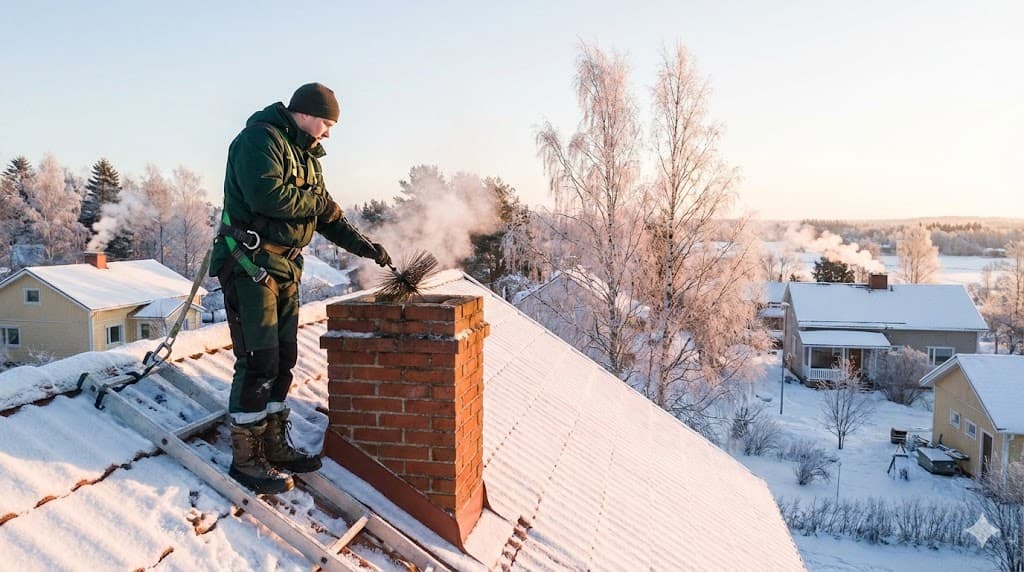
Request a Free Quote
Tell us your needs — we respond within 24 hours
★★★★★ 4.8/5 — 2,500+ satisfied customers